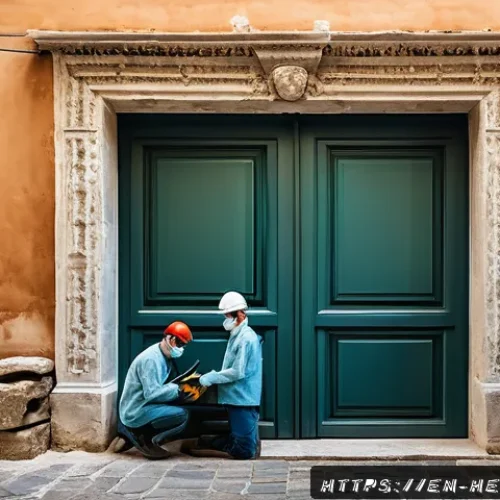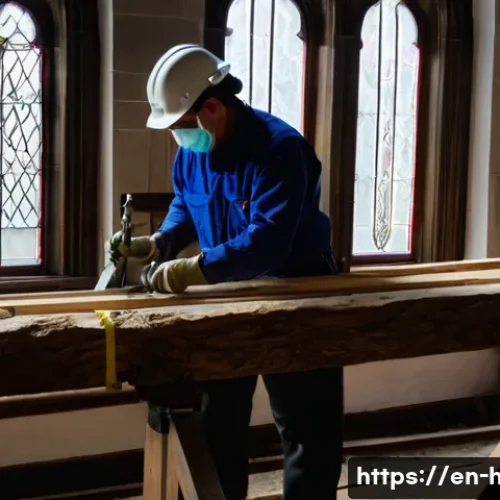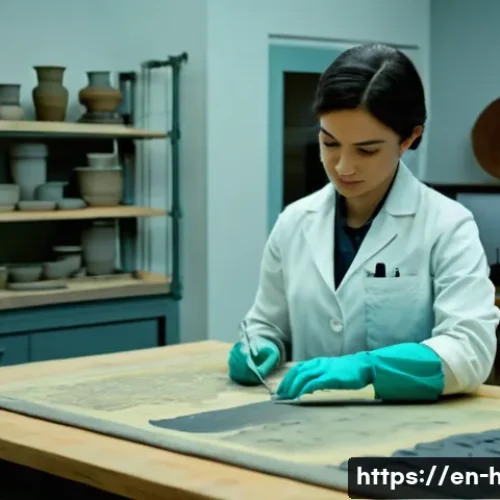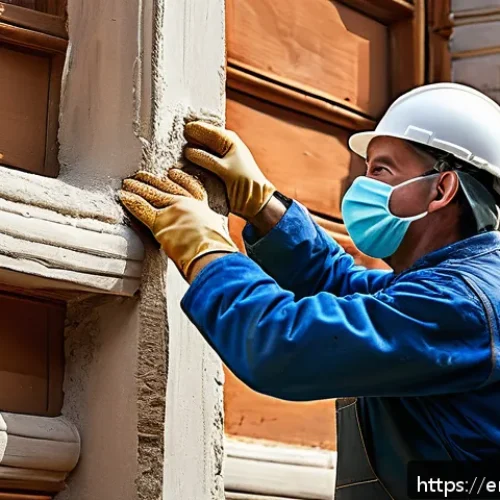
So, you’re just starting out on the path to becoming a Cultural Heritage Repair Technician? It’s a fascinating field, steeped in history and demanding a unique blend of artistry and technical skill.
Trust me, I remember feeling completely overwhelmed at first, surrounded by seasoned pros who seemed to speak a different language entirely. It’s a long road of studying and on-site experience, but the satisfaction of preserving our history is incredible.
Think of it as detective work meets meticulous craftsmanship. Let’s delve into the nitty-gritty in the article below, and gain some insight!
Alright, buckle up! Let’s get you from newbie to nearly-pro in the cultural heritage repair world. I’m drawing on my years of experience here, so this isn’t just textbook stuff.
Deciphering the Terminology: Your New Vocabulary

Okay, so you’re surrounded by people slinging terms like “consolidation,” “gilding,” and “patina” like they’re ordering coffee. Don’t panic! Building your vocabulary is crucial.
I remember nodding along in meetings, pretending I knew what everyone was talking about, then frantically Googling definitions afterward. Here’s how to fast-track your understanding:
Flashcards are Your Friend
Seriously, go old school. Write down terms on one side and definitions/examples on the other. Carry them with you and quiz yourself during downtime.
Add images to the flashcards to help you remember the meaning. For instance, for “mortar,” paste a picture of a historic brick wall with visible mortar joints.
When you see the image, the term will pop up in your head. This really drove home the distinctions between different types of damage and the corresponding treatments.
Embrace the Glossary
Many professional organizations and conservation labs have online glossaries. The Getty Conservation Institute has a great one, for example. Use them!
Whenever you encounter a new term, look it up immediately. Don’t just read the definition – try to use the term in a sentence related to your current project.
This active recall will cement the word in your memory. I even started my own personal glossary, adding notes and examples relevant to my specific projects.
Immerse Yourself in Literature
Read books and articles about conservation and restoration. Don’t just focus on technical manuals; read case studies, historical accounts, and even novels set in historical periods.
The more you expose yourself to the language, the more naturally it will become a part of your own vocabulary. Start with accessible texts and gradually work your way up to more complex materials.
Subscribe to relevant journals and blogs to stay up-to-date on the latest terminology and trends.
Mastering Basic Documentation: The Paper Trail is Key
You might think conservation is all about hands-on work, but meticulous documentation is just as vital. If it isn’t written down, it didn’t happen! Clear and accurate records are essential for tracking treatments, justifying decisions, and ensuring the long-term preservation of cultural heritage.
Photographs Tell a Thousand Words
Before, during, and after treatment photos are non-negotiable. Learn how to take good quality photos – proper lighting, focus, and angles are key. Include a scale in every photo for reference.
Organize your photos logically and label them clearly. Think of it as creating a visual record of the object’s journey through time. I’ve found it helpful to create a photo log, detailing the date, subject, and purpose of each photograph.
Condition Reports: Your Object’s Biography
A condition report is a detailed description of the object’s current state. It should include information about materials, dimensions, construction techniques, existing damage, and previous repairs.
Be as objective and precise as possible. Use standardized terminology to describe condition issues. Learn how to use specialized software or databases for creating and managing condition reports.
Treatment Proposals: Planning Your Course of Action
Before undertaking any treatment, you need to write a treatment proposal outlining your planned course of action. This should include a detailed description of the proposed treatment, the materials and techniques you will use, and the rationale behind your decisions.
Be sure to consider ethical considerations and potential risks. Get feedback from senior colleagues before finalizing your proposal. A well-written treatment proposal demonstrates your understanding of the object and your commitment to responsible conservation practices.
Hands-On Practice: Don’t Be Afraid to Get Your Hands Dirty (Safely)
Theory is great, but nothing beats practical experience. Volunteer, intern, or shadow experienced conservators to gain hands-on skills. Start with simple tasks and gradually work your way up to more complex treatments.
Start with the Basics: Cleaning and Stabilization
Learn how to properly clean and stabilize different types of materials. This might involve removing surface dirt, consolidating flaking paint, or repairing cracks and losses.
Use appropriate tools and materials, and always follow safety protocols. Remember, less is often more – avoid over-cleaning or irreversible treatments.
Practicing these fundamentals builds a strong foundation for more advanced work.
Embrace the “Waste” Pile: Practice Makes Perfect
Ask if you can practice on test pieces or damaged objects that are beyond repair. This is a safe way to experiment with different techniques and materials without risking valuable artifacts.
Use this opportunity to hone your skills and build confidence. Don’t be afraid to make mistakes – that’s how you learn! Keep a record of your experiments, noting what worked and what didn’t.
Ask Questions, Observe Closely, Take Notes: Learn From Others
Don’t be shy about asking questions. Experienced conservators are usually happy to share their knowledge and expertise. Pay close attention to how they approach different tasks, and ask them to explain their reasoning.
Take detailed notes on everything you learn. These notes will be invaluable when you’re working on your own projects. Attend workshops and conferences to network with other professionals and learn about new techniques and research.
The Ethical Compass: Know Your Responsibilities
Conservation is guided by a strict code of ethics. Always prioritize the preservation of cultural heritage and avoid treatments that could cause harm or alter the object’s historical integrity.
Reversibility: A Guiding Principle
Whenever possible, use treatments that are reversible. This means that future conservators can undo your work if necessary. Avoid using harsh chemicals or irreversible adhesives.
Think of yourself as a temporary caretaker, ensuring that the object can be preserved for future generations.
Minimal Intervention: Do No Harm
Only intervene when necessary and use the least invasive treatment possible. Avoid over-restoring or creating a false sense of the object’s original appearance.
Respect the object’s history and allow it to show its age. I try to follow the saying: “Conserve, don’t conceal”.
Documentation and Transparency: Be Accountable
Maintain thorough records of all treatments and make them available to future conservators. Be transparent about your methods and materials, and be prepared to justify your decisions.
Conservation is a collaborative effort, and open communication is essential. This will help create trust and promote responsible conservation practices.
Essential Skills: The Toolkit Beyond the Brush
It’s not just about delicate brushstrokes; you’ll need a diverse skillset to succeed.
Material Science Basics: Know What You’re Working With
A basic understanding of material science is crucial. You need to know how different materials degrade and interact with each other. Learn about the properties of wood, metal, stone, textiles, and other common materials found in cultural heritage objects.
This knowledge will help you choose the most appropriate treatment methods and avoid causing unintended damage. Consider taking a course in materials science or attending workshops on specific materials.
Art History Foundation: Context is Everything
A strong foundation in art history is essential for understanding the cultural significance of objects. Learn about different artistic styles, periods, and techniques.
This will help you appreciate the object’s aesthetic value and make informed decisions about its preservation. Visit museums and historical sites to immerse yourself in art history.
Read books and articles about different periods and styles.
Digital Savvy: The 21st-Century Conservator
In today’s world, digital skills are becoming increasingly important for conservators. Learn how to use digital imaging software to document and analyze objects.
Familiarize yourself with database management systems for organizing and sharing information. Explore the use of 3D scanning and printing for creating replicas or replacement parts.
Consider taking courses in digital photography, image editing, or database management.
Building Your Network: It’s Who You Know (and Who Knows You)
This field thrives on collaboration and knowledge sharing.
Attend Conferences and Workshops
Conferences and workshops are great opportunities to meet other conservators, learn about new research, and network with potential employers. Present your own research or projects to gain visibility and build your reputation.
Attend social events and strike up conversations with people you admire. Exchange contact information and follow up with them after the event.
Join Professional Organizations
Joining professional organizations like the American Institute for Conservation (AIC) or the International Council of Museums (ICOM) provides access to resources, networking opportunities, and continuing education.
Participate in committees and volunteer for projects to get involved and build relationships with other members. Attend local chapter meetings and regional conferences to connect with conservators in your area.
Mentorship Matters: Seek Guidance
Find a mentor who can provide guidance, support, and advice as you navigate your career. Look for someone who is experienced, knowledgeable, and willing to share their expertise.
Attend mentorship programs offered by professional organizations or universities. Schedule regular meetings with your mentor to discuss your goals, challenges, and progress.
A good mentor can help you avoid common pitfalls and accelerate your career development. Okay, that’s a solid foundation to get you started. Remember, this is a journey, not a race.
Be patient, persistent, and always eager to learn. The cultural heritage world needs passionate people like you! Good luck!
| Skill/Area | Importance | Resources for Improvement |
|---|---|---|
| Terminology | High | Flashcards, Glossaries, Literature |
| Documentation | High | Photography courses, Report writing workshops |
| Hands-on Practice | High | Volunteering, Internships, Test pieces |
| Ethics | Critical | Ethical guidelines, Workshops, Mentorship |
| Material Science | Medium | Courses, Workshops, Online resources |
| Art History | Medium | Museum visits, Courses, Reading |
| Digital Skills | Medium | Software courses, Online tutorials |
| Networking | High | Conferences, Organizations, Mentorship |
Wrapping Up
So, there you have it—a head start on your journey into cultural heritage repair. It’s a blend of art, science, and ethics, but above all, it’s about passion. Keep learning, keep practicing, and never stop asking questions. The world’s treasures are counting on you!
Handy Tips & Resources
Here are a few extra resources to boost your skills and knowledge:
1. Start a digital inspiration folder. Snap photos of details that catch your eye – interesting textures, repair techniques, or even just well-designed signage in museums. Review it regularly to spark ideas.
2. Befriend a librarian! Seriously, academic librarians are treasure troves of knowledge. They can guide you to obscure journals, historical documents, and other resources you might never find on your own.
3. Check out local workshops offered by community colleges or art centers. These can be a low-pressure way to learn new skills like woodworking, metalworking, or even basic chemistry relevant to conservation.
4. Look into grant opportunities for professional development. Many organizations offer funding to help conservators attend conferences, workshops, or pursue advanced training. It’s worth the effort to research and apply.
5. Follow relevant hashtags on social media. #Conservation, #Restoration, #CulturalHeritage – you’ll find a vibrant community of conservators sharing their work, asking questions, and offering advice.
Key Takeaways
* Build your vocabulary and understand the terminology used in conservation and restoration.
* Master the art of documentation – photos, condition reports, and treatment proposals are essential.
* Get hands-on practice whenever possible, starting with the basics and working your way up.
* Always adhere to ethical principles, prioritizing reversibility and minimal intervention.
* Develop a diverse skillset, including material science, art history, and digital proficiency.
* Build your network by attending conferences, joining professional organizations, and finding a mentor.
Frequently Asked Questions (FAQ) 📖
Q: What are the most critical skills for a newbie Cultural Heritage Repair Technician to develop early on?
A: Honestly, patience and attention to detail are paramount. You’ll be working on pieces that are incredibly fragile and often centuries old. Forget rushing – slow, steady, and precise movements are key.
Beyond that, a solid understanding of materials and their properties is crucial. I spent months just identifying different types of wood, stone, and adhesives before I even touched a valuable artifact.
And don’t underestimate the importance of good documentation; meticulous records are your best friend.
Q: What’s the best way to gain practical experience when first starting out in this field?
A: Networking and volunteering, hands down. Start attending workshops and conferences; you’ll meet experienced professionals who can offer invaluable advice and mentorship.
Also, look for volunteer opportunities at local museums or historical societies. Even assisting with minor tasks like cleaning or cataloging artifacts can provide exposure to the materials and techniques used in conservation.
I got my first real break volunteering at a small historical house, and it was a game-changer. Don’t be afraid to start small; every bit of experience counts!
Q: What are some common pitfalls that aspiring Cultural Heritage Repair Technicians should try to avoid?
A: Trying to do too much too soon is a big one. Don’t be tempted to tackle complex repairs before you’re ready. It’s better to start with simpler projects and gradually build your skills.
Another mistake is failing to properly research and document the history of an object before starting work on it. Understanding its past can inform your treatment decisions and prevent irreversible damage.
Also, resist the urge to use trendy new materials or techniques without thoroughly testing their long-term effects. Proven methods are often the best approach.
📚 References
Wikipedia Encyclopedia
구글 검색 결과
구글 검색 결과
구글 검색 결과
구글 검색 결과
구글 검색 결과