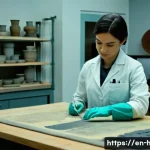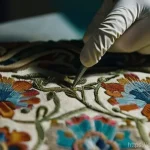
Hey everyone! Ever wondered about the hidden heroes who safeguard our past? I’m talking about those incredible professionals dedicated to preserving our cultural heritage, from ancient artifacts to historic landmarks.
It’s not just about careful hands and keen eyes; there’s a whole intricate web of laws and regulations that guide their every move, ensuring our history is protected with integrity and expertise.
Navigating these guidelines can be a maze, but they’re absolutely essential for maintaining the authenticity and value of our shared legacy. As someone who’s personally witnessed the impact of thoughtful conservation efforts, I can tell you these frameworks are the backbone of responsible heritage management, constantly evolving to meet new challenges like climate change and advanced restoration techniques.
Stick around, because we’re about to uncover the fascinating legal landscape that shapes the world of cultural heritage preservation, and what it means for anyone passionate about keeping history alive for future generations.
We’ll explore the latest trends in heritage legislation, common challenges, and what kind of expertise is truly valued in this critical field. Join me as we get the real scoop!
Hey there, amazing people! It’s so good to reconnect with you all. You know, lately, I’ve been absolutely captivated by the sheer dedication it takes to protect our collective past, a mission that feels more vital than ever in our rapidly changing world.
It’s not just about dusting off old relics or patching up crumbling walls; it’s about a dynamic, complex interplay of dedicated people, cutting-edge science, and, critically, a robust legal framework.
I’ve had the privilege of seeing firsthand how these intricate rules aren’t just bureaucratic hurdles, but rather the very foundation that allows us to safeguard treasures for generations unborn.
Without these guidelines, it would be a free-for-all, and honestly, that’s a thought that truly chills me to the bone. Every convention signed, every law enacted, it’s all a testament to humanity’s shared commitment to history.
The Bedrock of Protection: Navigating Global Heritage Law
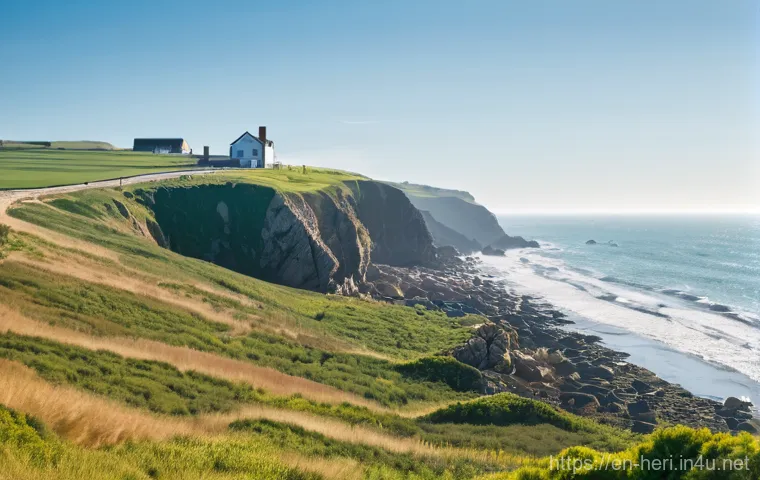
Diving into the world of cultural heritage preservation quickly reveals that it’s not just a heartfelt endeavor, but one deeply rooted in international and national law. It’s a vast and often intricate web that feels a bit like deciphering an ancient scroll itself, but trust me, it’s absolutely fascinating once you start digging. The big players here are often international conventions, like the venerable 1972 UNESCO World Heritage Convention, which, to me, feels like the constitution of global heritage protection. This convention is what gives certain sites that coveted “World Heritage” status, recognizing their “outstanding universal value” to all of humanity. I remember visiting a World Heritage site once and feeling this incredible sense of awe, realizing that its protection was a shared responsibility across nations, not just the country it resided in. It’s truly powerful stuff. Beyond these major agreements, we have the 1954 Hague Convention, specifically designed to protect cultural property during armed conflicts – a heartbreakingly necessary tool given current global events. And let’s not forget the 1970 UNESCO Convention and the 1995 UNIDROIT Convention, both of which are absolutely critical in our ongoing fight against the illicit trafficking of cultural objects. I’ve seen some truly disheartening stories of artifacts being stolen and sold, and these laws are our best defense, aiming to keep our shared history from being bought and sold by bad actors. It’s a continuous battle, but these legal frameworks provide the much-needed ammunition.
International Agreements: Our Shared Commitment
These international agreements are more than just documents; they’re expressions of a collective global conscience. For instance, the World Heritage Convention provides a legal basis for identifying and preserving sites that belong to all of us. When you see that UNESCO emblem, it’s a silent promise that the international community is invested in that place’s future. The 1954 Hague Convention, with its distinctive Blue Shield emblem, reminds us that even in times of conflict, culture should be off-limits. I personally believe that protecting cultural sites during war isn’t just about saving bricks and mortar; it’s about preserving identity and hope, something deeply human and necessary. These conventions also obligate nations to take preventative measures, like establishing inventories and drafting national legislation, which helps build a robust protection system from the ground up. It’s truly a collaborative effort that strengthens over time as more nations ratify and implement these crucial frameworks.
National Laws: Tailoring Protection to Local Treasures
While international conventions set the broad strokes, it’s national laws that really get down to the nitty-gritty of protecting local heritage. Each country has its own unique treasures, and their specific legal frameworks are designed to address those particular needs. These laws provide the legal muscle to protect sites from destruction and unauthorized alterations, controlling access to sensitive areas to minimize wear and tear, and dictating how restorations should be carried out to maintain historical authenticity. I’ve seen how different countries approach this, and it’s always fascinating to observe the local nuances. For example, some nations have incredibly detailed regulations for archaeological discoveries, while others focus heavily on the adaptive reuse of historic buildings within bustling urban centers. It’s a delicate balance, trying to preserve the past while allowing for modern life, but these laws are essential for ensuring that development doesn’t inadvertently erase our history.
Climate’s Cruel Hand: Safeguarding Heritage in a Warming World
It breaks my heart to see how climate change, this global phenomenon, is now directly threatening our irreplaceable cultural heritage. We’re talking about extreme weather, rising sea levels, and changing environmental conditions that are literally eroding our past, piece by precious piece. Imagine ancient temples being battered by unprecedented storms or archaeological sites disappearing beneath rising tides. It’s not a distant threat; it’s happening right now, and professionals in the field are racing against the clock to find solutions. I recently read about how a significant portion of cultural heritage properties, especially those in coastal areas like many of our beloved World Heritage cities, are increasingly at risk from hazards such as coastal flooding and erosion. This isn’t just about preserving physical structures; intangible cultural heritage, like traditions and local knowledge, is also at risk, and paradoxically, this very knowledge can be vital in protecting tangible heritage. It truly underscores the interconnectedness of everything, and honestly, it makes me feel a profound sense of urgency about this work.
Rising Waters and Eroding Histories: Coastal Threats
One of the most immediate and visible threats comes from our changing oceans. With rising sea levels and more frequent, intense coastal storms, heritage sites located along our coastlines are under immense pressure. Think of historic port cities, ancient coastal settlements, or even fragile archaeological sites buried just beneath the sand. I’ve personally visited coastal ruins and felt a chill realizing how close they are to the water’s edge, constantly being reshaped by the elements. It’s a battle against nature, intensified by human impact on the climate. The Mediterranean region, for instance, has seen a staggering 60% of its World Heritage properties report risks like coastal flooding and erosion. This means we need innovative solutions, from engineering new protective barriers to relocating artifacts where possible, all while grappling with the immense logistical and ethical challenges involved. It’s a huge undertaking, requiring both scientific ingenuity and a deep respect for what we’re trying to save.
Weathering the Storm: Extreme Events and Degradation
Beyond the coasts, extreme weather events are wreaking havoc everywhere. More intense heatwaves can dry out wooden structures, making them brittle and prone to cracking. Heavier rainfall can lead to unprecedented flooding, damaging priceless artifacts and weakening foundations. I’ve seen images of historic buildings devastated by floods, and it’s truly a sobering sight. These events accelerate the natural processes of degradation, challenging conservators to come up with new materials and methods that can withstand these harsher conditions. The impact isn’t just physical; it affects the cultural context and the stories these sites tell. Protecting our heritage now means thinking about long-term climate adaptation strategies, integrating climate risk management into conservation plans, and even developing early-warning systems for vulnerable sites. It’s about building resilience into our past, so it can survive into our future.
From Dust to Digital: The Tech Revolution in Conservation
It’s absolutely thrilling to witness how technology is truly revolutionizing the way we preserve cultural heritage. For years, conservation was primarily about careful hands and traditional techniques, but now, it feels like we’re living in a sci-fi movie where digital tools are becoming our strongest allies. I’ve seen some incredible projects where ancient sites are being brought to life online, allowing people from all over the world to experience them without ever having to step foot on location. This digital documentation, like 3D scanning, is a game-changer, creating incredibly accurate digital replicas of artifacts and historical sites. Imagine, even if a physical object is damaged or lost, its digital twin can live on, providing invaluable resources for researchers and historians. It’s not just a backup; it’s a whole new way of interacting with history, making it more accessible and, dare I say, more engaging for a wider audience. This technology makes preservation scalable in a way that was unimaginable a few decades ago.
Scanning the Past, Saving the Future: Digital Documentation
3D scanning, photogrammetry, and even virtual reality are no longer just buzzwords in this field; they are essential tools. By creating high-resolution digital models, we can capture every intricate detail of an artifact or a crumbling fresco. I’ve heard conservators talk about how these digital records help them monitor changes over time with incredible precision, and even plan complex restoration projects in a virtual space before touching the actual object. This digital accessibility also reduces the need for constant physical handling, which, as you can imagine, can cause degradation over time. It’s not just for big, famous sites either; even smaller local museums are starting to utilize these techniques to document their collections, ensuring that their unique stories are preserved for posterity. It’s a democratic approach to preservation, making sure no piece of history is left behind simply because it’s not a “major” attraction.
Virtual Journeys: Expanding Access and Engagement
Beyond mere documentation, digital technology is transforming how we experience heritage. Virtual museums and augmented reality (AR) apps are allowing us to explore historical artifacts and archaeological sites right from our smartphones. I’m a huge fan of these – being able to “walk through” a Roman villa or “examine” an ancient Egyptian sculpture from my living room is mind-blowing! These platforms offer rich context, interactive features, and educational content that simply can’t be replicated by a static exhibit. And let’s be honest, in a world where travel isn’t always feasible, these virtual experiences are a godsend. They make our shared history more inclusive, breaking down geographical and physical barriers. Plus, for heritage organizations, they offer exciting new monetization strategies, like subscriptions or in-app purchases, which directly fund crucial conservation efforts. It’s a win-win, really.
Beyond Bricks and Mortar: Engaging Communities and Cultures
When we talk about cultural heritage, it’s so easy to focus on the tangible – the grand buildings, the exquisite artifacts. But for me, the heart of heritage lies in the people and their stories. True preservation goes far beyond just maintaining physical structures; it’s about nurturing the vibrant, living cultures that surround these sites and involve the communities who are their custodians. I’ve learned that without community engagement, even the most perfectly restored building can feel empty. It’s about respecting traditional practices, local knowledge, and ensuring that the voices of the people most connected to a site are not just heard, but are central to its management and interpretation. This means moving away from a top-down approach and embracing collaborative partnerships, where locals are active participants, not just passive recipients of conservation efforts. When people feel a genuine connection and ownership, the heritage truly comes alive, and its future is secured in their hands.
Empowering Local Voices: The Heart of Heritage
I’ve personally seen the immense power of involving local communities in heritage projects. Their insights into the significance of a site, the traditional uses of spaces, and the stories passed down through generations are absolutely invaluable. For instance, I recently heard about initiatives where community storytellers are being trained to interpret heritage sites, ensuring that narratives are authentic and resonate deeply with both locals and visitors. This not only enriches the visitor experience but also builds local capacity and a sense of pride. It’s a shift towards recognizing that heritage isn’t just something to be looked at, but something to be lived and understood within its cultural context. When communities are empowered, they become the most passionate advocates and guardians of their own history, creating a sustainable model for preservation that goes far beyond any temporary project.
Adapting the Old for the New: Sustainable Reuse
Another incredible trend I’m observing is the focus on adaptive reuse – finding new, meaningful purposes for historic buildings. It’s a sustainable approach that prevents perfectly good structures from falling into disrepair or being demolished. Instead of building new, we’re creatively reimagining how old spaces can serve contemporary needs while retaining their historical character. I love stumbling upon an old factory that’s been transformed into an art gallery or a historic schoolhouse that’s now a vibrant community center. This isn’t just good for the environment; it injects new life into neighborhoods and keeps history relevant in our daily lives. It’s a delicate dance, balancing the demands of modern functionality with the imperative to preserve authenticity, but when done right, it’s an absolute masterpiece. It helps integrate heritage into urban development plans, ensuring that our cities grow with a deep respect for their past.
Funding Our Future: Sustainable Models for Heritage Preservation
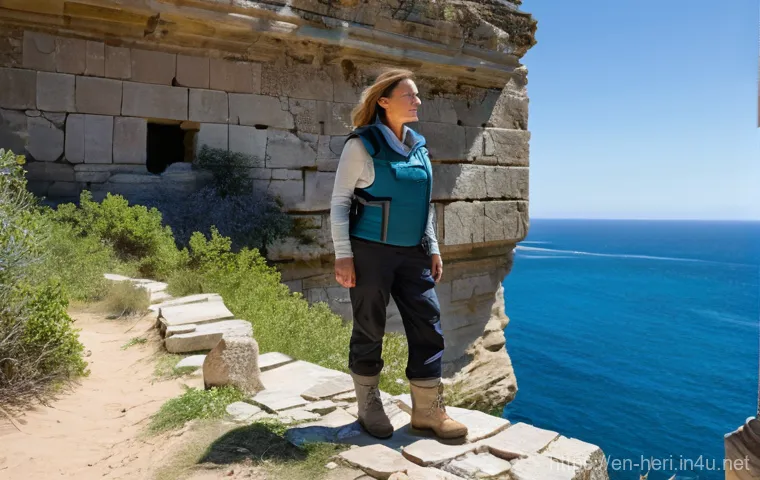
Let’s be real for a moment: all this amazing work in cultural heritage preservation, from legal protection to high-tech scanning and community engagement, requires significant resources. And that, my friends, often means money! Finding sustainable funding models is a constant challenge, but it’s also an area where incredible innovation is happening. Gone are the days when heritage sites relied solely on government grants or sporadic donations. Today, it’s about diversifying income streams and thinking creatively to ensure these treasures can support themselves long-term. I’ve been blown away by some of the strategies being employed, demonstrating that preserving the past can indeed drive economic growth and benefit local communities. It’s a delicate balancing act, of course, between generating revenue and maintaining the integrity and authenticity of a site, but successful examples show it’s absolutely achievable. We’re looking at approaches that not only fund conservation but also enhance visitor experiences and engage a wider audience, turning heritage into a vibrant, self-sustaining ecosystem.
Innovative Revenue Streams: Beyond the Ticket Booth
While ticket sales are still a fundamental part of the revenue model for many heritage sites, smart organizations are looking far beyond just entry fees. Think about exclusive, high-ticket events like “Night at the Museum” sleepovers or behind-the-scenes tours that offer unique experiences visitors are willing to pay a premium for. Then there’s the power of digital content: virtual tours, online courses, and webinars on historical topics can reach a global audience, monetizing expertise that might otherwise be confined to a physical location. I’ve seen some organizations successfully use platforms like YouTube, not just for engagement, but also for sponsorships and monetization through viewing figures. And let’s not forget good old-fashioned merchandising! A robust e-commerce platform allows sites to sell merchandise beyond their physical location, generating significant additional revenue. It’s all about making heritage accessible and appealing in new, financially viable ways.
Building Partnerships: Collaboration for Conservation
One of the most exciting developments I’ve seen is the rise of collaborative partnerships between heritage organizations and businesses. These aren’t just one-off sponsorships; they’re strategic alliances where businesses provide financial support, expertise in areas like marketing or technology, and even resources, while gaining enhanced brand image and connecting with customers who value heritage. This kind of synergy is a game-changer because it brings new ideas and funding to the table, making conservation efforts more effective. I remember a small local museum that partnered with a tech company to digitize its archives, which was something they could never have afforded on their own. It was a beautiful example of how shared goals can lead to incredible outcomes. Community membership schemes and donor programs also play a huge role, fostering a sense of local ownership and providing a steady stream of support from those who care most deeply. It’s about creating a network of support, recognizing that heritage belongs to everyone.
The Human Element: Cultivating Expertise in Conservation
You know, for all the talk about laws and technology, the truth is, none of it would be possible without the incredible people who dedicate their lives to cultural heritage preservation. These are the unsung heroes, often working meticulously behind the scenes, whose passion and expertise are truly the backbone of this entire field. Becoming a conservator or a heritage manager isn’t just a job; it’s a calling, requiring a unique blend of scientific knowledge, hands-on craftsmanship, and a deep understanding of history and culture. I’ve met some of these professionals, and their dedication is truly inspiring – they’re part scientist, part artist, part detective, constantly piecing together the past. It’s a demanding path, but incredibly rewarding, knowing you’re directly contributing to saving our shared human story. They are the ones who make sure that the authenticity and integrity of our historical assets are maintained, ensuring that every restoration respects the original intent and materials.
The Craft of Conservation: Skills and Training
So, what does it take to join these ranks? Well, it’s not for the faint of heart! Aspiring conservators need a solid foundation in sciences, particularly chemistry, alongside a deep appreciation for history and art. Practical, hands-on training is absolutely crucial, often involving work on real artifacts and historic buildings under the guidance of seasoned experts. Think about it: they’re cleaning ancient manuscripts, stabilizing delicate archaeological finds, or painstakingly repairing intricate historical textiles. Each task requires precision, patience, and a thorough understanding of materials and their degradation. Many conservators pursue specialized postgraduate degrees, like an MSc in Conservation Practice or an MA in Cultural Heritage. And the learning never stops – continuing professional development is essential to keep up with emerging practices and new technologies. It’s a career that demands lifelong curiosity and a commitment to excellence.
Heritage Management: Orchestrating Preservation
Then there are the heritage managers, the maestros who orchestrate the preservation efforts. Their role is broad, encompassing everything from developing conservation ethics and documentation techniques to implementing preventive conservation measures and engaging with stakeholders. It’s a field that often requires strong leadership skills, an understanding of legal frameworks, and the ability to manage complex projects with diverse teams. They are the ones who liaise with local authorities, secure funding, and ensure that the preservation strategies align with broader community goals. I’ve observed that a good heritage manager is a brilliant communicator, bridging the gap between scientific experts, government bodies, and the public. They’re not just protecting objects; they’re managing entire ecosystems of cultural significance, making sure everything runs smoothly and effectively to ensure our heritage thrives.
The Road Ahead: Evolving Strategies for a Lasting Legacy
As we look to the future, it’s clear that cultural heritage preservation is a field in constant evolution. The challenges are growing – climate change, rapid urbanization, conflicts – but so are our tools and our collective resolve. It’s a dynamic process, requiring continuous adaptation, innovative thinking, and a willingness to embrace new approaches. I feel a real sense of optimism when I see how professionals are not just reacting to threats but proactively developing sustainable strategies that integrate heritage into broader societal goals. It’s about creating living, breathing sites that are relevant to contemporary society, not just static relics of the past. The focus is shifting towards more interdisciplinary collaborations, recognizing that no single field has all the answers. This integrated approach, which considers economic, social, and environmental sustainability, is truly the key to ensuring that our cultural legacy endures for many centuries to come.
Embracing Innovation: New Materials and Methods
The scientific side of conservation is always pushing boundaries. Researchers are constantly developing new bio-technological applications and conservation materials with enhanced stability and durability. Think about eco-friendly cleaning agents that are less invasive or advanced composite materials that can reinforce delicate structures without altering their appearance. I recently read about the use of low-impact materials and conservation protocols that prioritize recycled and recovered materials, aligning with our growing environmental concerns. This means a deeper understanding of how different treatments impact resources, and a move towards preventive conservation measures that reduce the need for future interventions. It’s about working smarter, not just harder, to protect our heritage more effectively and sustainably. The goal is to innovate responsibly, ensuring our interventions are as gentle and long-lasting as possible.
Global Collaboration: A United Front for Heritage
Perhaps one of the most heartwarming trends is the increasing emphasis on global collaboration. Cultural heritage knows no borders, and neither should our efforts to protect it. International organizations like UNESCO, ICOMOS, and ICCROM are vital in fostering knowledge sharing, establishing best practices, and coordinating responses to global threats. I’ve heard stories of experts from different countries coming together, sharing their unique experiences and technologies to tackle shared challenges, such as the Dunhuang Academy collaborating with Kyrgyzstan on cultural heritage protection. This kind of cross-cultural exchange enriches the entire field, allowing us to learn from diverse perspectives and develop more effective, culturally sensitive strategies. It’s a powerful reminder that our shared history unites us, and by working together, we can truly create a lasting legacy for future generations. The challenges are immense, but so is our collective human spirit when it comes to safeguarding what truly matters.
| Key Areas of Heritage Preservation | Description | Examples of Modern Approaches |
|---|---|---|
| Legal & Regulatory Frameworks | Establishing national and international laws to protect cultural sites and artifacts from damage, illicit trafficking, and unauthorized alterations. | UNESCO Conventions, national heritage protection acts, intellectual property rights for digitized heritage. |
| Climate Change Adaptation | Developing strategies and technologies to mitigate the impacts of extreme weather events, rising sea levels, and changing environmental conditions on heritage sites. | Climate risk assessments, nature-based solutions for coastal protection, climate-resilient construction materials, early warning systems. |
| Digital Documentation & Access | Utilizing advanced technologies to create accurate records and interactive experiences of cultural heritage, enhancing accessibility and long-term preservation. | 3D laser scanning, photogrammetry, virtual reality tours, online museum collections, augmented reality apps. |
| Community Engagement | Involving local communities and indigenous populations in the planning, management, and interpretation of heritage sites, ensuring authenticity and cultural relevance. | Community storytelling initiatives, local heritage advisory boards, traditional knowledge integration in conservation plans. |
| Sustainable Monetization | Developing diverse and innovative funding models to support conservation efforts, balancing economic viability with heritage integrity. | Eco-tourism, digital content sales (virtual tours, online courses), corporate partnerships, exclusive events, merchandise sales, micro-donations. |
| Professional Expertise | Cultivating a multidisciplinary workforce with specialized skills in conservation science, historical research, project management, and cultural interpretation. | Specialized university programs, hands-on apprenticeships, continuous professional development, international expert exchanges. |
글을마치며
Wow, what a journey we’ve taken through the incredible world of cultural heritage preservation! It’s truly a complex tapestry, isn’t it? From the intricate dance of international laws to the tireless work of conservators, and the exciting promise of new technologies, every thread is absolutely essential.
I hope you’ve felt the same sense of awe and responsibility that I do when thinking about these irreplaceable treasures. Our shared past isn’t just something to admire from afar; it’s a living legacy that calls for our active participation and passion.
It’s a collective endeavor, and honestly, that’s what makes it so profoundly beautiful. I feel so hopeful knowing we’re all in this together, working to ensure these stories continue to be told.
알아두면 쓸모 있는 정보
1. Did you know that many local heritage organizations are constantly looking for volunteers? Whether it’s helping with documentation, guiding tours, or even just administrative tasks, your time can be incredibly valuable. I’ve personally spent a few weekends assisting at a small historical society, and it was such a rewarding experience, connecting directly with local history and truly feeling like I was making a difference. It’s an amazing way to give back and learn something new about your own community’s past, and honestly, the connections you make are priceless.
2. Consider becoming a member or patron of a heritage trust or museum you admire. Your regular contributions, no matter how small, provide vital, consistent funding that these organizations desperately need to maintain their collections and sites. I always find a sense of pride in seeing my small monthly donation contribute to the upkeep of a historic landmark I love. It’s a direct way to invest in the future of our past, ensuring these beautiful places remain accessible for everyone to cherish.
3. Look into digital resources! Many major museums and heritage sites now offer incredible virtual tours, online archives, and educational content for free or a small fee. It’s a fantastic way to explore world heritage from the comfort of your home, especially if travel isn’t always feasible. I’ve discovered so many hidden gems and fascinating stories through these digital platforms, allowing me to delve deep into cultures I might never get to visit in person. It’s like having the world’s history at your fingertips, and it often provides revenue to the institutions!
4. Be mindful when visiting historical sites. Stick to designated paths, avoid touching artifacts (unless explicitly allowed), and respect any rules regarding photography or access. Our collective gentle touch ensures these fragile treasures can withstand the test of time for future generations to enjoy. I always remind myself that I’m a temporary visitor, and my actions have a direct impact on the longevity of these incredible places. A little respect goes a long way in preservation, truly making a difference.
5. Engage with the stories! Don’t just look at old buildings or objects; try to understand the human narratives behind them. Read the plaques, listen to the guides, and explore the context. This active engagement enriches your experience and fosters a deeper appreciation for why these sites are worth protecting. I’ve found that when I connect with the narratives, the stones and artifacts come alive, telling tales of lives lived and struggles overcome, making history feel incredibly personal and relevant to my own life.
중요 사항 정리
To truly safeguard our cultural heritage, it’s clear we need a robust, multi-faceted approach, one that seamlessly combines strong legal frameworks with cutting-edge technology and, most importantly, heartfelt community engagement.
We’ve seen how climate change poses an undeniable, escalating threat, urging us to find innovative, sustainable solutions that are both effective and respectful.
But through all these challenges, the unwavering dedication of passionate professionals and the steady support of everyday individuals like you and me are absolutely indispensable.
Our shared legacy thrives when we all play a part, ensuring these precious echoes of the past resonate vibrantly into the future. It’s about collective responsibility, continuous learning, and a deep, abiding love for the human story that unites us all.
Frequently Asked Questions (FAQ) 📖
Q: Okay, so preserving our past sounds amazing, but what’s the toughest part? Like, what are the big legal hurdles that folks in cultural heritage preservation often face?
A: Oh, you’ve hit on such a crucial point! While the passion for preserving history is immense, the legal landscape can definitely feel like navigating a minefield sometimes.
From what I’ve seen, one of the biggest challenges often boils down to balancing development with preservation. Imagine a historic building in a bustling city – developers see prime real estate, while preservationists see irreplaceable heritage.
The laws try to mediate this, but interpreting zoning regulations, heritage designations, and environmental impact assessments can lead to lengthy and costly legal battles.
Then there’s the international aspect, especially with illicit trafficking of artifacts. Laws like the UNESCO 1970 Convention are vital, but actually enforcing them across borders, proving ownership, and facilitating repatriation can be incredibly complex and frustrating.
I’ve heard countless stories from colleagues about the Herculean efforts it takes to bring a stolen piece of history back home. Plus, securing consistent funding that aligns with legal requirements for conservation projects?
That’s a whole other ball game, often requiring intricate grant applications and strict compliance with public funding laws. It truly takes a dedicated team, often with legal minds, to navigate these waters successfully.
Q: You mentioned laws and regulations are key to keeping things authentic. How do these frameworks actually work to make sure our historical treasures stay true to their origins, and aren’t, you know, altered or misinterpreted?
A: That’s a fantastic question, and it really gets to the heart of why these legal frameworks exist! From my perspective, it’s all about establishing a gold standard for integrity and ensuring accountability.
Think of it this way: robust heritage laws often mandate meticulous documentation for any intervention on a historic site or artifact. Before a single stone is moved or a brushstroke applied, there are often strict requirements for detailed historical research, archaeological surveys, and condition reports.
This creates an unalterable record of an item’s state and provenance, making it incredibly difficult to later misrepresent. Furthermore, many regulations outline ethical conservation standards, often adhering to international charters like the Venice Charter, which prioritize minimal intervention and reversible treatments.
This means conservators aren’t just winging it; they’re working within a legally defined code of ethics designed to preserve original fabric and character.
I’ve personally seen how these guidelines prevent well-meaning but ultimately damaging alterations, keeping our heritage genuinely “authentic.” Plus, there are stringent laws against forgery and the falsification of provenance, which are essential for maintaining the historical accuracy and value of artifacts in the market and in museums.
These frameworks truly act as the guardians of historical truth.
Q: For someone like me, who’s totally passionate about history and maybe thinking about a career in this field, what kind of skills or knowledge do you think are truly game-changers for making a real impact in cultural heritage preservation?
A: If you’re passionate, you’re already halfway there – that’s the absolute best starting point! From what I’ve observed in this dynamic field, while a deep understanding of history and conservation science is foundational, the true game-changers are often those who can bridge multiple disciplines.
Firstly, a solid grasp of heritage law and policy, even if it’s just the basics, is incredibly powerful. Knowing the legal tools and protections available can empower you to advocate effectively.
Secondly, excellent communication and community engagement skills are priceless. Our heritage doesn’t exist in a vacuum; it belongs to people. Being able to explain the “why” of preservation to local communities, stakeholders, and even potential funders, and getting them on board, is absolutely vital.
I’ve seen projects soar when there’s strong community buy-in. Thirdly, and increasingly important, is an understanding of digital technologies – think digital documentation, 3D modeling, and even virtual reality for heritage interpretation.
These tools are transforming how we record, preserve, and share our past. And finally, don’t underestimate the power of adaptability and problem-solving.
This field is constantly evolving with new threats like climate change and new restoration techniques, so a willingness to learn and innovate is truly what sets people apart.
It’s an incredibly rewarding path, so lean into that passion!