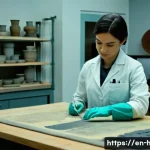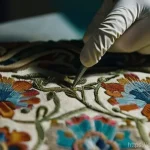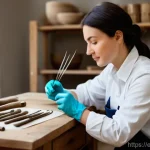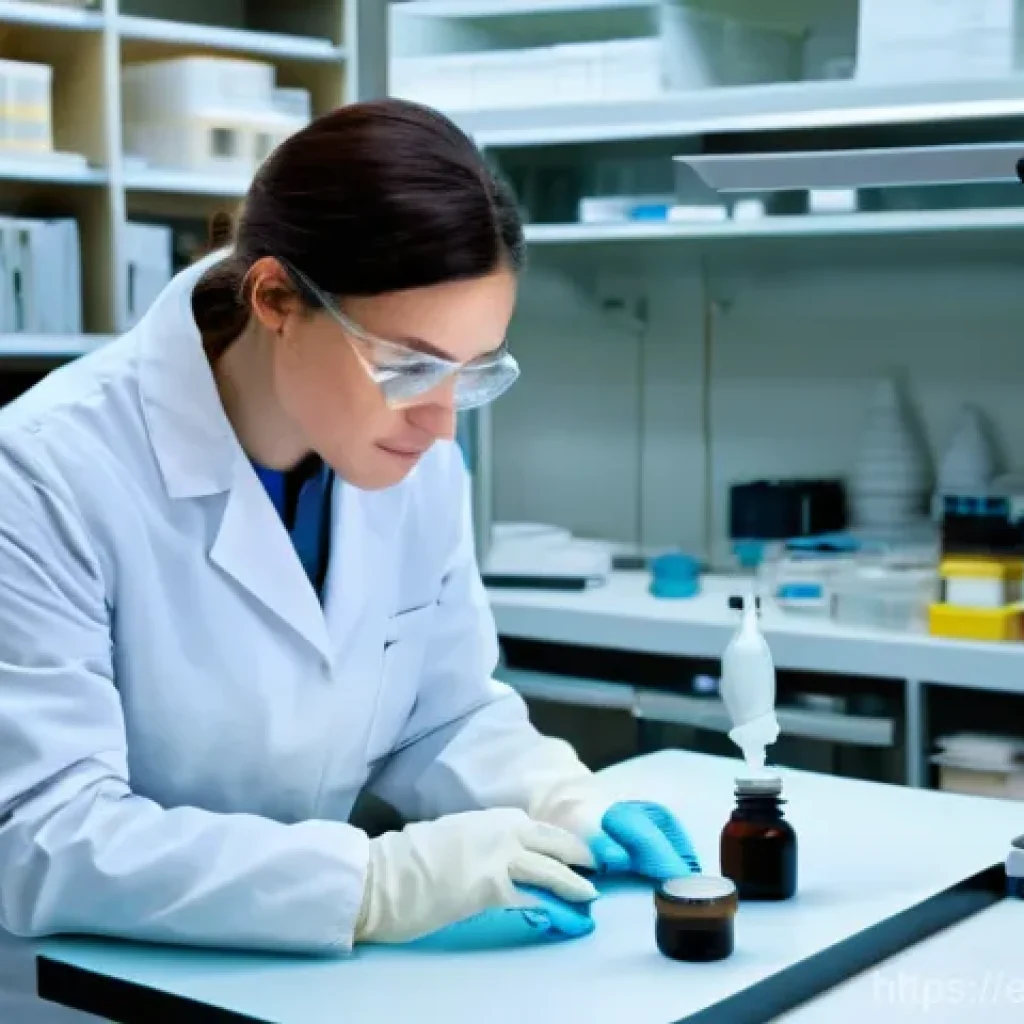
Have you ever paused to truly appreciate the intricate craftsmanship of an ancient building or felt the profound connection to history when gazing at a beautifully restored artifact?
I know I have! There’s a unique magic in these moments, a quiet testament to the enduring human spirit and the dedicated hands that work tirelessly to preserve our collective past.
It’s a field brimming with passion, precision, and an ever-evolving landscape, making a career in cultural heritage conservation more relevant and exciting than ever.
We’re talking about safeguarding everything from grand historic structures to delicate museum pieces, all while navigating modern challenges like climate change and the need for sustainable practices.
But it’s not just about old bricks and dusty relics anymore! The world of heritage preservation is rapidly embracing cutting-edge technologies, from sophisticated 3D scanning that creates digital blueprints of priceless sites to the incredible potential of AI in analyzing and restoring artifacts with unprecedented accuracy.
This blend of traditional artistry and innovative science demands a unique skillset, attracting a diverse range of individuals who feel a profound calling to protect these irreplaceable treasures for future generations.
If you’ve ever wondered about the rewarding paths available in this vital sector, from hands-on restoration to digital documentation, you’re in for a treat.
Let’s delve deeper and uncover all the invaluable insights into this incredible field!
The Heartbeat of History: Why Conservation Matters More Than Ever
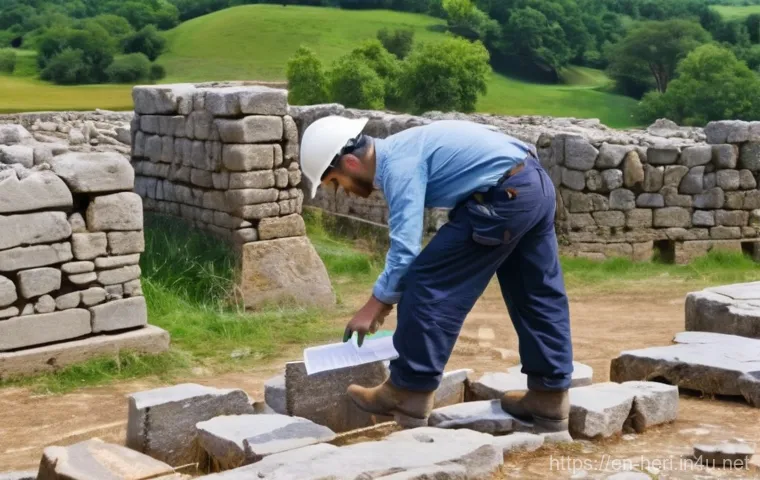
You know, when I think about cultural heritage conservation, it’s not just about preserving old stuff; it’s about keeping the very soul of human civilization alive. I mean, imagine a world where the pyramids of Giza were crumbling, or where Shakespeare’s Globe Theatre was just a memory in a history book. It gives me shivers just thinking about it! Our heritage sites, from ancient ruins to grand historic homes, are living testaments to the ingenuity, creativity, and struggles of those who came before us. They offer tangible links to our past, helping us understand where we’ve come from and, frankly, who we are today. Each chisel mark on a Roman column, every faded fresco in a Renaissance church, tells a story that resonates deep within us. It’s this profound connection that drives the passionate individuals in this field, and honestly, it’s what fuels my own fascination. Without dedicated conservation efforts, these priceless narratives would simply vanish, lost to the relentless march of time and the elements. It’s truly a responsibility we carry for future generations, ensuring they too can stand in awe before these magnificent achievements.
Connecting with Our Roots: The Intrinsic Value of Heritage
I’ve often reflected on how heritage sites don’t just exist as standalone structures or objects; they’re deeply interwoven with our cultural identity. For me, walking through a restored stately home or an ancient village isn’t just a tour; it’s a journey back in time, offering insights into daily life, beliefs, and even the socio-political landscapes of bygone eras. This connection is vital, especially in our fast-paced, ever-changing world. It provides a sense of grounding, a reminder of continuity amidst constant flux. When I see children’s faces light up visiting a museum and understanding a historical event through artifacts, I realize the immense power these preserved treasures hold. They spark curiosity, foster a love for learning, and cultivate an appreciation for the diverse tapestry of human experience.
Facing Modern Challenges: Climate Change and Sustainability
It’s no secret that our world is grappling with significant challenges, and unfortunately, cultural heritage is often on the front lines. I’ve been increasingly concerned about how climate change, in particular, poses an existential threat to many irreplaceable sites. Rising sea levels endanger coastal archaeological sites, extreme weather events devastate historic buildings, and changing environmental conditions accelerate decay in countless artifacts. It’s a daunting prospect, but it also highlights the critical need for innovation and adaptation in conservation. Professionals in this field are now actively researching sustainable conservation practices, developing resilient strategies, and employing cutting-edge science to protect our past from the perils of our present and future. It’s a race against time, but one I believe we can win with dedication and ingenuity.
Bridging Eras: The Art and Science of Restoration
Restoration, to me, feels like a delicate dance between respect for the past and the practicalities of the present. It’s a field where you need the eye of an artist, the precision of a surgeon, and the patience of a saint! I vividly remember watching conservators meticulously cleaning a painting at a gallery once, and it was absolutely mesmerizing – like they were whispering secrets back to life. It’s far from just gluing broken pieces together; it’s about understanding the original intent, the materials used, and the story an object or structure wants to tell. The methods employed are often incredibly intricate, sometimes involving techniques that are centuries old, combined with advanced scientific analysis that wouldn’t have even been dreamed of a few decades ago. This blending of traditional craftsmanship with modern analytical tools is what makes the work so endlessly fascinating and, quite frankly, so effective. Every project presents its own unique puzzle, demanding a tailored approach that respects the integrity of the heritage while ensuring its longevity. It’s a true testament to human skill and dedication.
The Delicate Dance of Material Science
I’ve always been amazed by how much a conservator needs to know about materials. It’s not just recognizing wood or stone; it’s understanding the specific type of wood, its age, how it reacts to humidity, temperature, and light, and what kind of decay it might be susceptible to. When I first learned about the complexities of conserving ancient papyri or delicate textiles, it truly opened my eyes to the scientific rigor involved. Conservators often employ specialized analytical techniques like X-ray fluorescence or infrared spectroscopy to identify original pigments, determine the composition of metals, or detect hidden layers beneath a surface. This deep dive into material science is absolutely crucial for making informed decisions about treatment, ensuring that any intervention is reversible, minimally invasive, and compatible with the original substance. It’s a fascinating world where chemistry, physics, and art history intertwine.
Bringing Back the Original Spirit: Ethical Restoration
One of the aspects of restoration that I find most compelling is the ethical debate surrounding it. Where do you draw the line between repair and alteration? How much intervention is too much? It’s a constant balancing act. The guiding principle is usually minimal intervention, aiming to stabilize and preserve rather than to recreate. I’ve often heard conservators talk about “revealing” rather than “restoring” an object, suggesting they are peeling back layers of grime or previous, less sympathetic repairs to let the original artist’s vision shine through. It’s about maintaining authenticity and respecting the object’s history, including its signs of age and its journey through time. This philosophical approach ensures that what we perceive as ‘restored’ remains true to its initial essence, allowing future generations to witness a genuine piece of the past, not a modern interpretation.
Beyond the Brushes: Diverse Paths in Heritage Conservation
When I first thought about cultural heritage conservation, my mind immediately pictured someone carefully dusting an ancient vase or meticulously restoring a painting. And while those hands-on roles are absolutely vital and incredibly rewarding, I’ve since discovered that the field is so much broader and more diverse than I ever imagined! It’s like a vibrant ecosystem where countless specialized roles contribute to the grand goal of preservation. From the intrepid archaeologist unearthing buried civilizations to the meticulous archivist safeguarding fragile documents, there’s a place for a multitude of talents and passions. I’ve met people who are experts in digital documentation, creating incredible 3D models of sites, and others who are brilliant educators, bringing history to life for eager students. It truly makes me excited about the sheer variety of ways one can contribute to this incredible cause.
The Digital Frontier: Innovating with Technology
It’s absolutely mind-blowing how technology has revolutionized heritage conservation. I mean, we’re talking about things that sound straight out of a sci-fi movie! Think about 3D scanning, for instance. I’ve seen how it can create incredibly precise digital replicas of statues or even entire historic buildings, which is just incredible for documentation, monitoring decay, and planning future interventions. And then there’s virtual reality, allowing people to explore ancient sites that might be inaccessible or even lost to time. When I first encountered projects using AI to analyze damaged texts or piece together fragmented artifacts, I felt a surge of excitement. This blend of cutting-edge tech with traditional preservation methods isn’t just about efficiency; it’s about opening up entirely new possibilities for understanding, protecting, and sharing our heritage with a global audience.
Connecting Communities: Education and Outreach
For me, heritage isn’t truly preserved until it’s understood and appreciated by the wider community. That’s why I think the roles focused on education and outreach are just as crucial as those doing the actual physical conservation. I’ve seen firsthand how engaging programs can transform a dusty old museum into a vibrant hub of learning and connection. Whether it’s developing interactive exhibits, leading guided tours, or crafting compelling digital content, these professionals bridge the gap between academic research and public understanding. They ignite curiosity, foster a sense of ownership, and ensure that our shared history remains relevant and accessible to everyone. It’s about building a future where people instinctively value and protect their cultural legacy because they feel a personal connection to it.
Tech Takes On Tradition: Innovation in Preservation
The marriage of cutting-edge technology and ancient traditions in heritage conservation is, without a doubt, one of the most exciting developments I’ve witnessed in my engagement with this field. Forget the image of a conservator working in isolation with only hand tools; today’s specialists are often wielding laser scanners, drone cameras, and powerful computational models. I remember reading about a project that used ground-penetrating radar to map an entire Roman villa without disturbing a single stone – how incredible is that? This influx of innovation isn’t just about making things faster or easier; it’s about pushing the boundaries of what’s possible, allowing us to delve deeper into the secrets of the past and develop more effective, non-invasive preservation strategies. It’s truly a dynamic space where the past is safeguarded by the future.
Digital Archiving and 3D Modeling
I find the concept of creating digital twins of our heritage absolutely fascinating. Imagine having a perfect 3D model of a historic building that allows you to virtually “walk” through it, examine every detail, and even detect subtle changes over time. This isn’t science fiction; it’s happening right now! These digital archives are invaluable for researchers, but they also serve as an emergency backup in case of natural disasters or conflicts. I’ve seen how these models can aid in complex restoration planning, allowing conservators to test different scenarios virtually before ever touching the physical object. It’s a game-changer, providing an unparalleled level of documentation and a robust insurance policy for our most vulnerable treasures. It truly excites me to think about the lasting legacy these digital records will provide.
AI and Machine Learning in Conservation
When I first heard about AI being used in conservation, I was a bit skeptical, but I quickly became a true believer. The potential is enormous! For example, I’ve learned about AI algorithms being trained to analyze ancient manuscripts, identifying faded text or helping to piece together fragmented documents much faster than human eyes ever could. Imagine using machine learning to predict the deterioration rate of materials based on environmental data, allowing conservators to intervene proactively. It’s not about replacing human expertise, but augmenting it, providing powerful tools that can sift through vast amounts of data and identify patterns that would otherwise be missed. This collaborative approach between human ingenuity and artificial intelligence is setting a new gold standard for how we protect and understand our shared heritage, and it’s a truly inspiring direction.
The Financial Footprint: Funding Our Past
Let’s be real for a moment: all this incredible work, from meticulous restoration to cutting-edge digital archiving, doesn’t happen for free. Securing funding is often the unsung hero of cultural heritage conservation, and it’s a constant, sometimes challenging, endeavor. I’ve witnessed firsthand how passionate individuals and organizations dedicate themselves to finding the resources needed to protect our past. It’s a complex landscape, often involving a mix of government grants, private donations, international aid, and even innovative crowdfunding initiatives. When I consider the sheer scale of some conservation projects – think of restoring a crumbling cathedral or excavating a vast archaeological site – the financial commitment is staggering. But, in my opinion, it’s an investment that pays dividends not just in terms of preserving history, but also in boosting tourism, creating jobs, and fostering local pride. It’s about recognizing that our heritage is a valuable asset, both culturally and economically.
Navigating Grants and Philanthropy
From what I’ve observed, a significant portion of conservation funding comes from a combination of government grants and philanthropic contributions. It’s a highly competitive world, requiring meticulously prepared proposals that not only outline the project’s importance but also demonstrate a clear plan for execution and long-term sustainability. I’ve had friends in the field tell me stories of spending months crafting grant applications, highlighting everything from the scientific methodology to the projected community impact. Then there’s the incredible generosity of individual donors and charitable foundations who genuinely believe in the power of preserving history. These philanthropic efforts often provide the critical seed money or ongoing support that keeps essential projects afloat, and I always feel a deep sense of gratitude for their commitment to our shared legacy.
Innovative Funding Models and Public Engagement
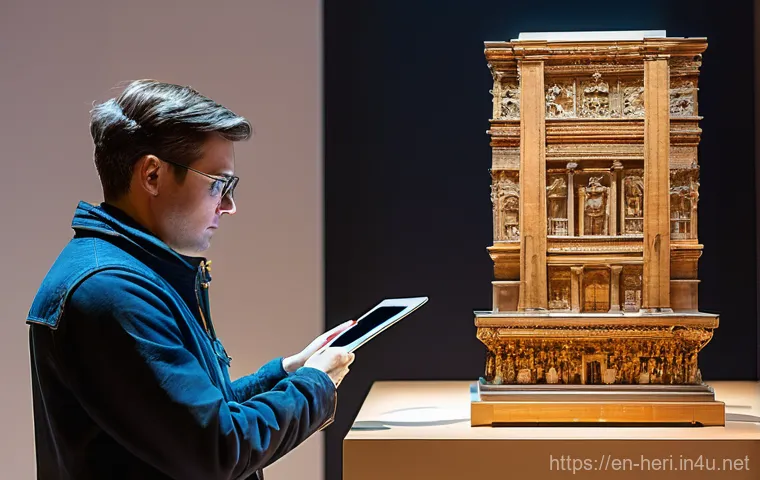
Beyond traditional grants, I’m seeing some really creative approaches to funding conservation projects, which I find incredibly exciting. Things like heritage trusts establishing endowments, leveraging income from visitor centers, or even developing merchandise related to conserved sites. I’ve also been particularly impressed by the rise of crowdfunding campaigns for specific restoration efforts, where passionate individuals can directly contribute to a cause they care deeply about. It’s a wonderful way to foster public engagement and ownership. Another fascinating area is the integration of heritage conservation into sustainable tourism initiatives, where the economic benefits generated by visitors can directly feed back into the preservation of the sites themselves. It’s all about finding diverse, robust funding streams to ensure our heritage isn’t just appreciated, but actively sustained for generations to come.
Making Your Mark: Steps Towards a Conservation Career
If you’re anything like me, and you feel that deep pull towards safeguarding our shared history, you might be wondering how to actually dive into a career in cultural heritage conservation. Let me tell you, it’s a journey, but an incredibly rewarding one! It’s not a single, linear path, but rather a tapestry of different educational routes, practical experiences, and continuous learning. I’ve seen individuals come from backgrounds as diverse as art history, chemistry, engineering, and even computer science, all finding their niche. What truly unites everyone in this field is an unwavering passion and a commitment to meticulous work. While the specifics can vary depending on your chosen specialization, there are some pretty solid foundations you can lay to start building a truly impactful career. It’s about being proactive, curious, and always, always learning.
Education and Specialization: Building Your Foundation
When I advise aspiring conservators, I always emphasize the importance of a strong educational foundation. Typically, a bachelor’s degree in a relevant field like art history, archaeology, chemistry, or material science is a great starting point. Many then pursue a master’s degree in conservation, which is where the real specialization often begins. I’ve seen programs that focus on specific materials like paper, textiles, stone, or even modern materials, and others that concentrate on areas like architectural conservation or archaeological preservation. These postgraduate programs are intensive, combining theoretical knowledge with extensive hands-on training, often involving real-world projects. It’s where you truly develop the specialized skills and ethical framework essential for responsible conservation work. It’s a demanding path, but the depth of knowledge you gain is truly invaluable.
Gaining Experience: Internships and Volunteering
In my experience, formal education is just one part of the equation; practical experience is absolutely critical. I can’t stress enough how important internships and volunteer opportunities are in this field. They allow you to get your hands dirty, work alongside seasoned professionals, and gain invaluable insights into the day-to-day realities of conservation. Whether it’s assisting a conservator in a museum, helping on an archaeological dig, or documenting artifacts at a historic site, every bit of practical exposure counts. It’s during these experiences that you often discover your true passion, refine your skills, and build a crucial network of contacts. I’ve known many successful conservators who started by volunteering their time, proving their dedication, and learning the ropes from the ground up. It’s an investment in your future that pays off hugely.
Global Guardians: International Efforts and Challenges
It’s a big world out there, and our cultural heritage stretches across every continent, embodying the incredible diversity of human achievement. What I find particularly inspiring is the global collaboration that takes place in cultural heritage conservation. From UNESCO’s vital work designating World Heritage Sites to international organizations coordinating efforts to protect sites in conflict zones, it’s truly a collective endeavor. I’ve always been amazed by the dedication of professionals who cross borders, sharing expertise and resources to safeguard treasures that belong to all of humanity. It truly underscores the universal value we place on these irreplaceable relics of our past. But, let’s be honest, it’s not all smooth sailing; these global efforts come with their own unique set of challenges that require immense diplomacy and strategic thinking.
Collaborative Conservation: Sharing Knowledge and Resources
I often think about how much stronger we are when we work together, and this is especially true in cultural heritage conservation. I’ve heard incredible stories of international teams coming together, pooling their expertise and resources to tackle massive restoration projects, or responding to heritage emergencies after natural disasters. Organizations like ICCROM (International Centre for the Study of the Preservation and Restoration of Cultural Property) play a crucial role in facilitating this global knowledge exchange, offering training and fostering research collaborations. This sharing of best practices and innovative techniques across different countries is absolutely vital, ensuring that conservation efforts are robust, effective, and ethically sound. It’s a wonderful example of humanity uniting for a common, noble cause.
Protecting Heritage in Crisis: Conflict Zones and Illicit Trade
My heart often aches when I see news reports of cultural heritage sites being destroyed in conflict zones or falling victim to illicit trafficking. It’s a truly devastating consequence of human strife, robbing not only local communities of their history but also diminishing the global heritage that belongs to us all. I’ve been incredibly moved by the courage of conservators and archaeologists who risk their lives to document, protect, and even salvage artifacts in these perilous environments. The fight against the illegal trade of antiquities is another massive challenge, often requiring international cooperation between law enforcement, customs officials, and heritage experts. It’s a dark side of the field, but it highlights the critical need for continued vigilance, strong international agreements, and unwavering commitment to protecting our past from those who seek to exploit or destroy it.
The Long Game: Sustainable Preservation for Future Generations
If there’s one thing I’ve learned about cultural heritage conservation, it’s that it’s definitely a long game. We’re not just thinking about preserving something for next year, or even the next decade; we’re talking about ensuring these treasures endure for centuries, perhaps even millennia. This requires a profound sense of foresight and a commitment to sustainable practices that integrate environmental, social, and economic considerations. I often ponder the legacy we are building, not just in terms of the objects and sites we save, but also in the knowledge we acquire and the methods we develop. It’s a continuous cycle of learning, adapting, and innovating, always with the ultimate goal of passing on an intact and understood heritage to those who will come after us. It’s a truly humbling and inspiring responsibility.
Integrating Heritage into Modern Life
One of the most exciting trends I’ve noticed is the movement to integrate cultural heritage more seamlessly into modern life, rather than just treating it as something set apart in a museum. This means finding new, respectful ways for communities to engage with their historical sites, for example, by repurposing historic buildings for contemporary use while carefully preserving their architectural integrity. I’ve seen some brilliant examples of old industrial sites being transformed into vibrant cultural centers or apartments, breathing new life into structures that might otherwise have fallen into disrepair. This approach ensures that heritage remains relevant and functional, not just a relic of the past, thereby encouraging continued care and investment. It’s about making history a living, breathing part of our present.
The Ongoing Evolution of Conservation Ethics
Just as materials and technologies evolve, so too do the ethical frameworks guiding conservation. I find this continuous self-reflection within the field to be incredibly healthy and robust. Questions constantly arise: how do we balance preservation with access? What responsibilities do we have to the original communities from which artifacts originated? Should we restore to a particular period, or respect all layers of history? These aren’t easy questions, and there are rarely simple answers. However, through ongoing dialogue, research, and international collaboration, conservators continually refine their ethical guidelines, striving for approaches that are not only scientifically sound but also culturally sensitive and deeply respectful of the heritage they protect. It’s a testament to the field’s commitment to thoughtful, responsible stewardship.
| Conservation Role | Key Responsibilities | Typical Work Environment |
|---|---|---|
| Object Conservator | Treats and preserves individual artifacts (e.g., ceramics, metals, textiles, furniture). | Museum labs, private conservation studios. |
| Architectural Conservator | Focuses on the preservation and restoration of historic buildings and structures. | Construction sites, historic properties, architectural firms. |
| Archaeological Conservator | Specializes in artifacts recovered from archaeological excavations, often working on-site. | Excavation sites, specialized archaeological labs. |
| Collections Manager | Oversees the care, movement, and documentation of museum collections. | Museums, archives, heritage institutions. |
| Digital Heritage Specialist | Creates 3D models, digital archives, and virtual reality experiences for heritage sites. | Universities, cultural institutions, tech companies. |
Concluding Thoughts
Whew, what a journey we’ve taken through the incredible world of cultural heritage conservation! From the intricate science of restoration to the global efforts protecting treasures in crisis, it’s clear this field is brimming with passion, innovation, and a profound sense of purpose. For me, it truly underlines how our past isn’t just something to look back on, but a living, breathing part of who we are right now, shaping our identities and guiding our future. It’s an ongoing, collective effort, and honestly, being even a small part of it feels incredibly meaningful.
Handy Information to Know
1. Visit Your Local Heritage Sites: Honestly, one of the simplest and most impactful ways to support conservation is by engaging with local museums, historical parks, and cultural centers. Your entrance fees and purchases often directly fund their preservation efforts, and you get to learn something amazing!
2. Embrace Digital Heritage: Did you know many institutions now offer incredible virtual tours and digital archives? Technologies like 3D scanning and VR are making it possible to explore ancient sites from your couch, helping to preserve the physical locations by reducing wear and tear while still making them accessible globally.
3. Become a “Heritage Tourist”: When planning your next trip, consider seeking out destinations renowned for their cultural heritage. Responsible tourism brings vital economic benefits to these sites and their surrounding communities, directly contributing to their upkeep and restoration.
4. Spread the Word: Sharing information about cultural heritage, its importance, and the challenges it faces with friends and family can foster greater awareness and appreciation. Education is a powerful tool in ensuring these treasures are valued by everyone.
5. Support Conservation Organizations: Many non-profits and international bodies, like UNESCO, work tirelessly to protect heritage globally. A small donation or even just following their work can make a big difference in funding crucial projects and advocacy.
Key Takeaways
Cultural heritage conservation is far more than just “saving old things”; it’s a dynamic, interdisciplinary field essential for understanding our shared human story, fostering identity, and driving sustainable development. It faces significant challenges, from climate change to illicit trade, but is continually evolving with cutting-edge technology and global collaboration. Ultimately, preserving our heritage requires a collective commitment – from passionate professionals to everyday individuals – ensuring that these irreplaceable legacies endure for future generations to learn from and cherish.
Frequently Asked Questions (FAQ) 📖
Q: What exactly does a “cultural heritage conservationist” do, and what makes this field so incredibly rewarding?
A: Oh, this is such a fantastic question! When I first heard “cultural heritage conservation,” my mind instantly pictured dusty old paintings getting a careful brush-up.
But honestly, it’s so much more vibrant and expansive than that! A conservationist is truly a guardian of history, not just fixing things but deeply understanding the stories, materials, and techniques behind our world’s most precious artifacts and structures.
We’re talking about everything from painstakingly restoring a medieval tapestry to digitally preserving an ancient archaeological site before it’s lost forever.
It involves a fascinating blend of art history, chemistry, engineering, archaeology, and even digital technology. Imagine the thrill of uncovering a forgotten detail on a centuries-old fresco or stabilizing a historic building against the ravages of time.
For me, the most rewarding part is feeling that direct connection to the past. It’s knowing that through meticulous work and a deep respect for heritage, you’re ensuring that these irreplaceable treasures, these whispers from our ancestors, continue to speak to future generations.
There’s a unique pride in contributing to something so much bigger than yourself, preserving not just objects, but collective human memory and identity.
Q: I’m fascinated by this field, but it seems so specialized! What kind of skills or background do you need to get started, especially with all the new technology involved?
A: I totally get why you might think it’s super specialized, and in some ways, it is! But here’s the cool part: the field is actually quite diverse and welcoming to a variety of talents.
When I first started looking into it, I thought you needed to be an art historian with a steady hand. While a passion for art, history, or archaeology is definitely a huge plus, the truth is, a wide range of backgrounds can thrive here.
Are you a whiz with chemistry and materials science? That’s invaluable for understanding how objects decay and how to treat them. Love engineering and architecture?
You could be working on stabilizing grand historic buildings. And with the rapid advancements in technology, folks with skills in digital humanities, 3D modeling, photogrammetry, GIS, or even data science are becoming incredibly sought after!
Think about it: creating precise digital replicas, analyzing climate data’s impact on sites, or developing AI tools for restoration. What truly unites us in this field is an immense curiosity, meticulous attention to detail, strong problem-solving skills, and, above all, a deep respect for cultural heritage.
It’s about combining traditional craft with cutting-edge science, and for me, that blend is what makes it so exciting!
Q: How are cutting-edge technologies like
A: I and 3D scanning truly transforming the way we preserve cultural heritage? Is it all just sci-fi, or is it genuinely practical? A3: Oh, this is where things get really thrilling, and let me tell you, it’s absolutely not sci-fi anymore – it’s incredibly practical and revolutionizing everything!
When I first heard about 3D scanning in conservation, I pictured something out of a futuristic movie. But I’ve personally seen how 3D scanning, for instance, allows us to create unbelievably accurate digital blueprints of entire historic buildings or intricate artifacts.
This means we have a perfect record even if the physical object is damaged or lost, and it’s fantastic for virtual reconstructions, research, and giving people virtual access to sites they might never visit.
And AI? That’s a true game-changer! Imagine AI analyzing vast datasets to predict how climate change might affect a delicate fresco, or identifying the exact composition of ancient pigments for more accurate restoration.
It’s even being used to virtually “fill in” missing pieces of damaged artifacts by learning from similar historical objects. It’s not about replacing the human touch, but empowering conservators with superhuman precision and efficiency.
These technologies allow us to understand, document, and protect our heritage in ways we never thought possible, making preservation more precise, sustainable, and accessible to everyone.
It’s genuinely mind-blowing to witness this fusion of ancient history and tomorrow’s tech!