Wow, it’s absolutely thrilling to connect with you all today! As someone who lives and breathes the world of cultural heritage, I can tell you there’s nothing quite like seeing history come alive through meticulous preservation.
We’re talking about more than just old buildings or dusty artifacts; it’s about safeguarding the stories, the artistry, and the very soul of humanity for generations to come.
It’s a field that’s continually evolving, especially with incredible technological advancements like AI and 3D modeling revolutionizing how we approach conservation today, offering new ways to not only preserve but also experience these priceless treasures.
Seriously, I’ve seen firsthand how these innovations are transforming what’s possible, making the path of a heritage conservation professional more exciting and impactful than ever.
Think about it: a career where you literally help protect the past while shaping the future! But here’s the thing: to truly excel and make a significant mark in this incredibly rewarding domain, having the right credentials and specialized skills isn’t just an advantage—it’s absolutely essential.
It can feel a bit daunting to navigate all the different qualifications out there, especially when you’re passionate about making a real difference. But trust me, taking the time to understand the crucial certifications can open so many doors and truly elevate your expertise.
So, whether you’re just starting out or looking to advance your already amazing journey in preserving our shared global legacy, you’re in the right place.
Let’s peel back the layers and uncover the essential and optional certifications that can fast-track your success in cultural heritage restoration. I’m excited to share all the details and help you find your perfect fit in this vital profession.
Let’s get into it and explore exactly what you need to know to shine!
Navigating the Foundation: Core Credentials
The Cornerstone: Formal Education
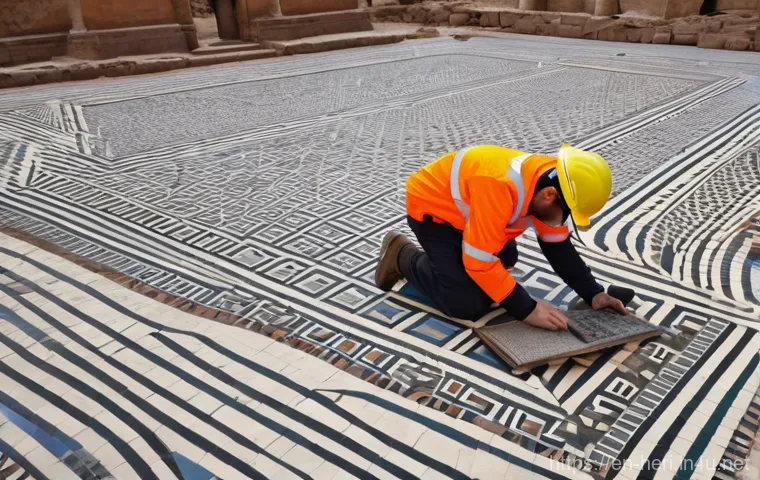
Let’s kick things off by talking about the absolute bedrock of a career in cultural heritage restoration: formal education. Seriously, if you’re looking to make a lasting impact, a solid academic background isn’t just nice to have; it’s practically non-negotiable.
I remember when I first started exploring this field, the sheer depth of knowledge required was astounding – from understanding the chemical properties of ancient pigments to the structural integrity of a centuries-old facade.
Most professionals I know, myself included, started with a Bachelor’s or Master’s degree in fields like Archaeology, Art History, Conservation Studies, or Museum Sciences.
These programs don’t just teach you facts; they instill a critical way of thinking, problem-solving, and a deep respect for the ethical considerations paramount to our work.
Opting for an accredited program is a huge deal because it ensures you’re getting a quality education that meets recognized industry standards. This foundational knowledge is what gives you the expertise and authority when you’re standing in front of a delicate artifact or a crumbling ruin, making crucial decisions about its future.
It truly sets the stage for everything else you’ll do in this incredible journey.
Entry-Level Certifications: Getting Your Foot in the Door
Beyond the degrees, there are fantastic entry-level certifications that can seriously fast-track your journey and show employers you’re not just passionate, but also prepared.
Think of these as your first badge of honor. Organizations like the American Institute for Conservation (AIC) in the US, or ICON (The Institute of Conservation) in the UK, offer various levels of membership and sometimes specific certifications that, while not always mandatory, speak volumes about your commitment and initial understanding of best practices.
From my experience, these initial certs really show you’re serious about the craft and dedicated to continuous professional development. They often cover fundamental principles, safety protocols, and basic restoration techniques, giving you a practical edge.
They’re a fantastic way to bridge the gap between academic learning and real-world application, proving you have the practical know-how to contribute effectively from day one.
It’s about demonstrating competence and showing you’re ready to learn and grow in a professional setting.
Specializing Your Craft: Advanced Pathways
Conservation Disciplines: From Objects to Architecture
Once you’ve got that solid foundation, the world of heritage conservation truly opens up, offering an incredible array of specializations. This is where you really get to hone in on what truly sparks your passion.
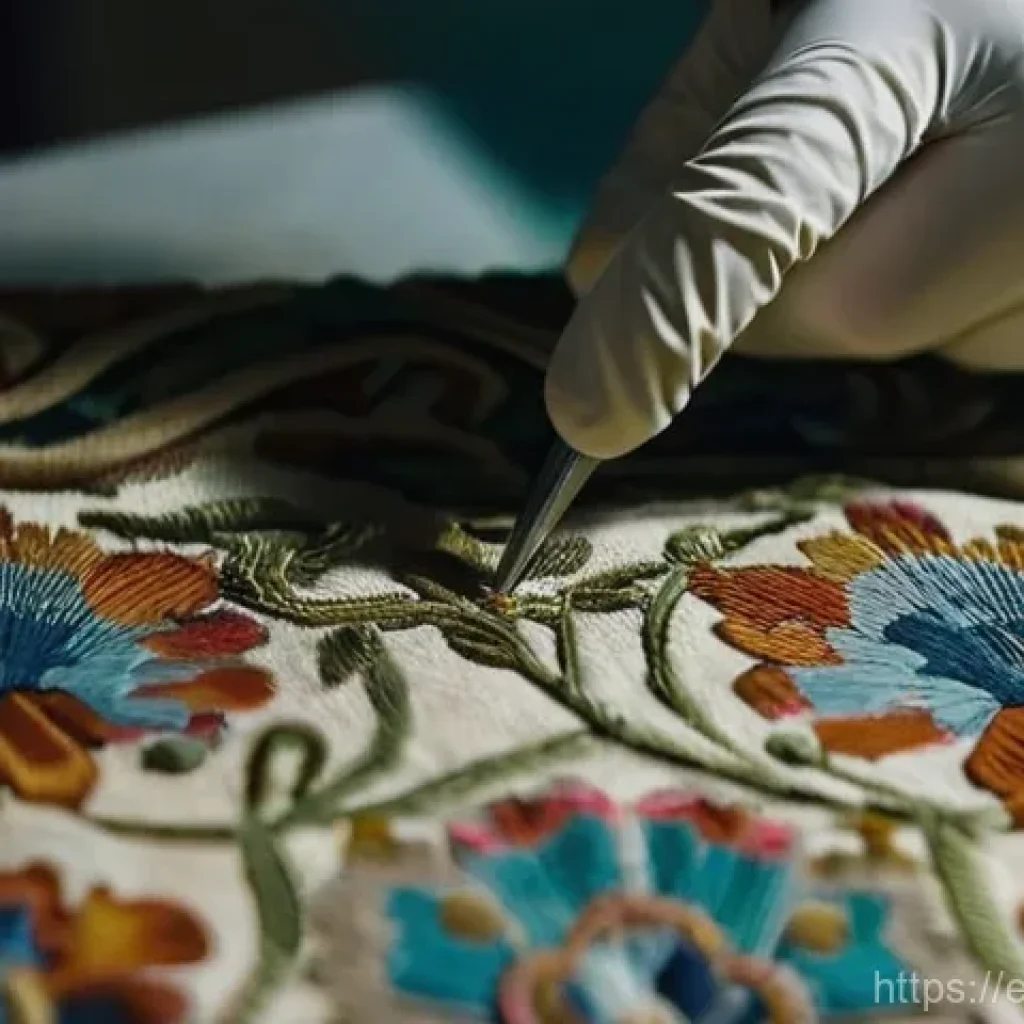
It’s fascinating how diverse the field is; I once worked on a project where we had a textile conservator meticulously restoring a 17th-century tapestry right alongside an architectural conservator stabilizing a medieval stone wall.
You might find yourself drawn to the delicate world of paintings, the intricate beauty of textiles, the robust challenges of architectural conservation, or the scientific precision required for archaeological artifacts.
Each of these disciplines has its own set of advanced certifications and specialized training programs. For instance, if historic buildings are your jam, you might pursue certifications focused on traditional building materials, structural stabilization, or even historic preservation planning.
These specialized paths aren’t just about gaining more knowledge; they’re about developing a profound understanding of specific materials and techniques that are absolutely crucial for their long-term survival.
It’s an exciting process of becoming a true master in your chosen niche.
Material-Specific Expertise: A Deep Dive
Now, let’s talk about getting *really* specific. Beyond the broad disciplines, there are often certifications that delve into the nitty-gritty of particular materials.
Imagine mastering the restoration of historic wood, the intricate repair of ceramics, or the complex chemistry involved in preserving metals. Trust me, knowing your materials inside out saves so much heartache later!
These certifications often involve intensive workshops, laboratory training, and hands-on projects that push your skills to their absolute limits. They teach you not only the technical aspects of conservation but also the subtle nuances of how different materials age, react to environmental changes, and respond to various treatment methods.
For example, a certificate in photographic conservation might involve understanding different photographic processes from daguerreotypes to modern prints.
These specialized credentials are what allow you to tackle some of the most challenging and rewarding conservation projects, becoming the go-to expert for those unique and invaluable treasures.
They truly elevate your professional standing and open up a world of highly specialized opportunities.
Beyond the Classroom: Practical Experience & Field Certs
Hands-On Training: Internships and Apprenticeships
While degrees and certifications are absolutely vital, I’ve always said that you learn more on site in a month than in a year of lectures. This field is incredibly hands-on, and there’s simply no substitute for real-world experience.
Internships and apprenticeships are your golden tickets here. They allow you to apply theoretical knowledge in practical settings, under the guidance of seasoned professionals.
I vividly remember my first internship; it was messy, challenging, and utterly transformative. I learned how to identify problems in the field, adapt quickly to unforeseen circumstances, and work collaboratively with a diverse team.
Many foundational certifications often require a certain number of supervised practical hours, and these experiences are how you rack them up. They’re not just about gaining skills; they’re about building your professional network, understanding the day-to-day realities of conservation work, and truly internalizing the ethical responsibilities that come with preserving our shared heritage.
It’s where the rubber meets the road, and you truly start to feel like a contributing member of the conservation community.
Safety and Site Management: Essential Field Skills
Working on historic sites, whether it’s a grand old building or an archaeological dig, comes with its own unique set of risks. That’s why certifications in health and safety are not just recommended, they are absolutely crucial.
Safety isn’t just a rule; it’s the bedrock of any successful conservation project. Think about certifications like OSHA (Occupational Safety and Health Administration) training in the US, or similar workplace safety qualifications in other regions.
These teach you how to identify hazards, work safely with specialized equipment, and respond effectively in emergencies. Beyond personal safety, having skills in site management, perhaps even a basic project management certification tailored for field work, can make you an indispensable asset.
It shows you can not only perform the conservation tasks but also contribute to the efficient and safe operation of an entire project. This includes everything from organizing logistics to ensuring compliance with environmental regulations.
These pragmatic certifications demonstrate a holistic understanding of project execution and a commitment to responsible, professional practice.
The Digital Age of Preservation: Tech-Focused Credentials
Embracing Innovation: AI & 3D Modeling
This is where the field is truly exploding! The introduction of artificial intelligence and advanced 3D modeling has completely revolutionized how we approach heritage conservation.
I’ve personally seen how 3D modeling completely changed how we document and understand complex archaeological sites, allowing for incredibly detailed analysis and virtual reconstruction.
Obtaining certifications in areas like photogrammetry, LiDAR scanning, digital documentation, and even basic CAD software is becoming less of a bonus and more of an absolute necessity.
These skills empower you to create highly accurate digital replicas of artifacts and sites, monitor their condition over time with unprecedented precision, and even share these treasures with a global audience in immersive ways.
Imagine being able to virtually explore a Roman villa from your living room, all thanks to the work of digital heritage professionals. These tech-focused credentials place you at the forefront of innovation, ensuring that you’re not just preserving the past, but also shaping the future of how we interact with it.
Data Management & Digital Archiving
With all this incredible digital data being generated, the ability to manage and archive it effectively has become a critical skill. Believe me, organizing digital data for a vast collection or a large-scale archaeological project is a whole skill set in itself!
Certifications in digital asset management (DAM), database administration specifically for heritage collections, or even advanced courses in digital preservation strategies are incredibly valuable.
These credentials equip you with the knowledge to maintain the integrity, accessibility, and longevity of digital records, which are just as important as the physical artifacts themselves.
We’re talking about ensuring that future generations can access and understand the wealth of information captured through scanning, photography, and research.
Without proper digital archiving, all that effort to capture our heritage could be lost in a sea of unorganized files. Mastering these skills not only makes you a crucial part of any modern conservation team but also positions you as a forward-thinking professional in a rapidly evolving digital landscape.
| Certification Type | What It Signifies | Career Impact |
|---|---|---|
| Accredited Master’s/Ph.D. | Deep academic and theoretical foundation in conservation science or art history. | Opens doors to senior conservator roles, research positions, and academia. Essential for complex analytical work. |
| Material-Specific Certificates (e.g., Textile, Wood, Stone) | Specialized practical skills and theoretical knowledge for a particular material type. | Allows for highly specialized work, often leading to expert roles in museums or private practices focusing on specific collections. |
| Digital Heritage (e.g., 3D Scanning, Photogrammetry) | Proficiency in cutting-edge digital documentation, modeling, and preservation techniques. | High demand in modern heritage projects, offering roles in digital archives, virtual reconstructions, and innovative public engagement. |
| Project Management (e.g., PMP, PRINCE2 for cultural projects) | Demonstrated ability to plan, execute, and close projects efficiently and effectively. | Crucial for leading large-scale restoration efforts, managing teams, and overseeing budgets and timelines, often leading to director-level positions. |
| Health & Safety (e.g., OSHA, First Aid for Cultural Sites) | Knowledge of critical safety protocols and risk management on heritage sites. | Mandatory for field-based work, ensures compliance, and positions you as a responsible and reliable professional. |
Building Your Network: Professional Affiliations
Joining the Community: Professional Organizations
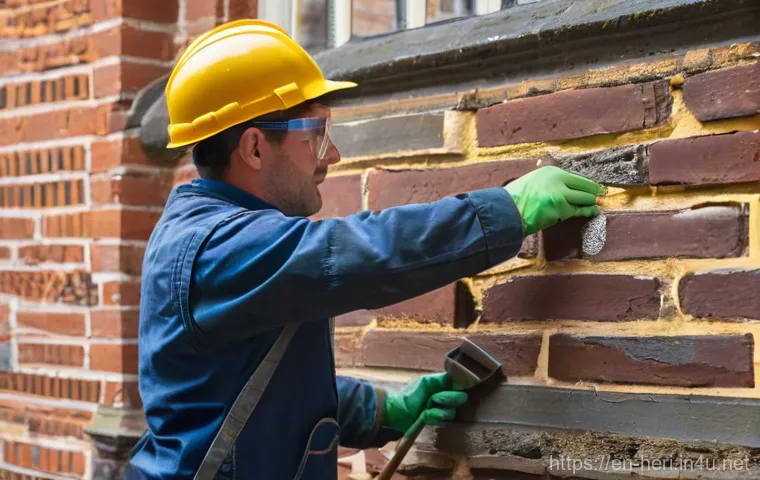
Let me tell you, one of the smartest moves I ever made in my career was actively engaging with professional organizations. Honestly, my career took off when I started engaging with bodies like the American Institute for Conservation (AIC), ICOMOS (International Council on Monuments and Sites), or regional conservation groups.
These aren’t just clubs; they’re vibrant communities of like-minded individuals, all passionate about cultural heritage. Becoming a member isn’t just about getting a fancy card; it opens doors to invaluable networking opportunities, exclusive workshops, and job postings that you won’t find anywhere else.
You get to connect with seasoned professionals, share experiences, and learn about emerging trends directly from the source. Plus, these organizations often provide continuing education credits and advocate for the profession, which is incredibly important for maintaining high standards.
It’s about building relationships, finding mentors, and becoming an active participant in the ongoing dialogue of heritage preservation.
Credentialing Boards and Recognition
Beyond general membership, some professional organizations offer more rigorous credentialing processes that lead to formal recognition or a higher level of membership, like becoming a Fellow or a Professional Associate.
There’s a certain pride that comes with being recognized by your peers; it truly boosts your credibility. These processes often involve peer review, detailed portfolios of your work, and adherence to strict ethical codes.
Achieving such recognition isn’t easy, but it signifies a high level of expertise, experience, and commitment to the profession’s best practices. It tells potential clients and employers that you are not just skilled, but also vetted and trusted by your colleagues.
For me, earning a certain level of recognition felt like a powerful validation of years of hard work and dedication. It’s an investment in your long-term reputation and can significantly enhance your authority and influence within the heritage conservation community.
Staying Ahead: Continuous Learning & Renewal
Workshops and Continuing Professional Development (CPD)
The field of cultural heritage conservation is dynamic, constantly evolving with new scientific discoveries, technological advancements, and ethical considerations.
The field is always moving forward, so if you’re not learning, you’re falling behind. I always try to pick up a new skill or attend a specialized workshop each year, whether it’s on a new analytical technique or an innovative restoration material.
This is where Continuing Professional Development (CPD) comes in. Engaging in workshops, seminars, and short courses isn’t just about accumulating hours; it’s about keeping your skills sharp, staying informed about best practices, and ensuring you remain at the cutting edge of the profession.
Many certifications require ongoing CPD to maintain their validity, and for good reason. It’s a commitment to lifelong learning that ensures you can tackle any challenge thrown your way, from novel preservation problems to adapting to new environmental threats to heritage sites.
It’s truly an investment in your future and your ability to deliver the highest quality of care to our shared past.
Ethics and Best Practices: Staying Current
Beyond technical skills, upholding the highest ethical standards is non-negotiable in our line of work. It’s what builds trust with communities, institutions, and funding bodies.
Certifications or ongoing training focused specifically on ethical guidelines and international standards, such as those set by UNESCO or ICOMOS, are critically important.
These courses ensure that you’re not only technically proficient but also deeply aware of your responsibilities concerning the authenticity, integrity, and public accessibility of heritage items.
They challenge you to think critically about the impact of your work, the rights of origin communities, and the long-term implications of any intervention.
Staying current with these evolving principles is fundamental to maintaining your professional integrity and ensures that your practice aligns with global best practices.
It’s about being a responsible steward of irreplaceable cultural treasures, and demonstrating that commitment is invaluable.
Monetizing Your Passion: Career Growth & Income Streams
Consulting and Freelance Opportunities
Once you have those key certifications under your belt and a solid track record, you’ll be amazed at the freelance opportunities that come knocking. Many cultural institutions, private collectors, and even government agencies regularly seek out specialized conservators on a project basis.
This is where your niche certifications truly shine, allowing you to command higher rates for your specialized expertise. You get the flexibility to choose your projects, manage your own schedule, and essentially be your own boss.
I’ve found that being able to offer a specific, in-demand skill set through a recognized certification makes a huge difference when clients are weighing their options.
It allows you to build a diverse portfolio, work on a variety of fascinating projects, and significantly boost your earning potential beyond what a traditional salaried position might offer.
It’s incredibly empowering to know that your skills are so valued that you can effectively create your own income streams.
Specialized Project Leadership
As you gain experience and continue to refine your certifications, particularly in areas like project management (think PMP or PRINCE2, but tailored for cultural heritage projects), you open the door to leading larger, more complex restoration initiatives.
Leading a significant restoration project is incredibly rewarding, both professionally and financially. It’s a whole different ballgame from being a hands-on conservator, involving coordinating teams, managing substantial budgets, liaising with stakeholders, and ensuring projects are completed on time and within scope.
These leadership roles come with significantly higher earning potential and allow you to make a more profound impact on large-scale heritage preservation efforts.
Your certifications in specialized techniques, combined with proven project management capabilities, position you as a highly sought-after expert capable of overseeing multi-faceted challenges.
It’s about transitioning from a skilled practitioner to a strategic leader, guiding the future of heritage conservation through thoughtful planning and execution.
글을마치며
This incredible journey through the world of cultural heritage conservation has truly shown us that it’s a field built on passion, rigorous learning, and continuous growth.
I hope this deep dive into certifications and pathways has given you a clearer roadmap for your own aspirations. Remember, every piece of history we preserve, every artifact we restore, is a testament to our shared human story, and your role in it is nothing short of vital.
It’s a career that often demands immense dedication, but the rewards—knowing you’re safeguarding treasures for future generations—are simply immeasurable.
Keep learning, keep exploring, and let your passion guide you.
알아두면 쓸모 있는 정보
1.
Actively engage with professional organizations like the American Institute for Conservation (AIC) or the International Council on Monuments and Sites (ICOMOS). Their networks, job boards, and workshops are invaluable for career growth and staying current.
2.
Hands-on internships and volunteer work are game-changers. They provide practical experience, build your portfolio, and often lead to your first paid opportunities in the field, making you a more attractive candidate.
3.
Embrace digital skills! Photogrammetry, 3D modeling, and digital archiving are rapidly becoming essential tools in conservation. Future-proof your career by learning these cutting-edge techniques now.
4.
Never stop learning. The field of conservation is constantly evolving with new discoveries and technologies. Regular workshops and Continuing Professional Development (CPD) ensure your expertise remains sharp and relevant.
5.
Consider niche specializations. Developing expertise in a less common material or technique can make you highly sought after, opening doors to unique projects and potentially higher earning potential in the long run.
중요 사항 정리
Ultimately, a successful career in cultural heritage restoration hinges on a blend of robust formal education, specialized certifications tailored to your passion, and invaluable hands-on experience.
Don’t forget the critical role of continuous learning, embracing new technologies, and actively building a professional network. These elements, combined with an unwavering commitment to ethical practice, will not only elevate your expertise but also empower you to make a profound and lasting impact on the preservation of our global heritage.
Frequently Asked Questions (FAQ) 📖
Q: What certifications or degrees are truly essential to kickstart or advance my career in cultural heritage conservation today?
A: This is such a critical question, and it’s one I get asked all the time! From my experience, a Master’s degree in Conservation, Historic Preservation, or Cultural Heritage Management really gives you that rock-solid foundation that employers are looking for.
Think of it as your passport to the professional world of heritage. These programs are rigorous, covering everything from the nitty-gritty of materials science and specific conservation techniques to the broader strokes of ethics, legislation, and project management.
It’s where you gain that deep, hands-on theoretical and practical knowledge that is just indispensable. Now, if a full Master’s isn’t feasible right away, or if you’re looking to specialize, there are some fantastic professional certificates out there too!
I’ve seen some incredible programs in areas like Digital Preservation, Museum Studies, or even specific material conservation (like textiles or architecture) that can really hone your skills.
These can be brilliant for upskilling, changing career paths, or demonstrating expertise in a niche area. What I’ve found is that the best programs, whether a degree or a certificate, will equip you with vital skills in things like digital archiving, understanding metadata standards, and robust project management—because let’s be real, every heritage project needs someone who can keep the gears turning smoothly!
Remember, it’s not just about the piece of paper; it’s about the comprehensive understanding and practical skills you gain that truly empower you to safeguard our shared history.
Q: I’m fascinated by how technology is changing things! How exactly are advancements like
A: I and 3D modeling making a difference in heritage conservation, and what skills should I be focusing on to keep up? A2: Oh, you’re hitting on one of my favorite topics!
It’s absolutely thrilling to see how technology is transforming our field. When I started, a lot of what we do now felt like science fiction, but today, AI and 3D modeling are literally game-changers for cultural heritage conservation.
Seriously, these tools are revolutionizing everything from how we document sites to how we plan for restoration. For instance, 3D scanning and photogrammetry, often enhanced by AI, allow us to create incredibly accurate digital twins of buildings and artifacts.
This means we can document every single detail with breathtaking precision, even for sites that are fragile, damaged, or hard to access. Imagine digitally reconstructing a vanished temple from old photographs or analyzing an ancient fresco to identify damage invisible to the naked eye – that’s happening!
AI algorithms are also becoming invaluable for predictive maintenance, analyzing sensor data to flag potential risks like structural weakening or environmental degradation before they become irreversible.
And let’s not forget the immersive experiences! Virtual reality, powered by 3D models and AI, is opening up heritage to a wider audience, allowing people to explore ancient sites from their living rooms.
So, what skills should you be focusing on? Beyond your core conservation knowledge, definitely lean into digital literacy. Understanding digital asset management systems, being familiar with various file formats, and grasping metadata standards like Dublin Core are becoming non-negotiable.
Familiarity with basic IT infrastructure and even some fundamental concepts of AI and machine learning will give you a massive edge. It’s all about bridging the gap between traditional conservation methods and cutting-edge digital tools.
Believe me, embracing these technologies is not just about keeping up; it’s about shaping the future of preservation!
Q: Beyond certifications, what’s your best advice for someone passionate about heritage preservation to truly make a significant mark and stand out in this field?
A: This is where the magic truly happens, my friends! While certifications are absolutely crucial, making a significant mark in cultural heritage preservation goes beyond what’s on your resume.
Based on my journey and seeing so many incredible professionals thrive, here’s what I’ve found makes the real difference. First, get your hands dirty!
Seriously, volunteer, intern, assist on every project you possibly can. Whether it’s at a local museum, an archaeological dig, or a historic building restoration, that practical, real-world experience is priceless.
It’s not just about learning techniques; it’s about understanding the challenges, the unexpected moments, and the sheer joy of seeing history come alive through your work.
I’ve personally learned so much more from on-site challenges than I ever did from a textbook. Second, become a connector and a communicator. This field is incredibly collaborative.
Network like crazy – attend conferences, join professional organizations, and engage with others who share your passion. Good communication skills, both written and verbal, are paramount.
You’ll need to articulate the why of preservation to diverse audiences, from funders to community members. I’ve seen amazing projects get the green light simply because someone could tell the story with passion and clarity.
Third, cultivate an interdisciplinary mindset and be a lifelong learner. Heritage conservation isn’t just about history or art; it touches on science, technology, community engagement, economics, and even law.
Being open to learning from different fields and integrating those perspectives into your work will make you an invaluable asset. The landscape is always changing, especially with new technologies, so stay curious, keep reading, and never stop learning.
Finally, and this might sound a bit cliché, but let your passion fuel you. This work can be challenging, but it’s also incredibly rewarding. That genuine enthusiasm, that spark for protecting our past, will shine through and inspire others.
It’s what truly sets you apart and allows you to make an authentic, lasting contribution to our shared global legacy.