Hey everyone! If you’re anything like me, you’ve probably spent countless hours admiring ancient artifacts, stunning historical architecture, or delicate works of art, wondering about the magic behind their preservation.
It’s a calling, isn’t it? To be the one safeguarding these irreplaceable treasures for future generations. But let’s be real, the path to becoming a certified cultural heritage conservationist or a skilled restoration specialist is incredibly demanding.
The sheer depth of knowledge, the practical skills, and the meticulous eye required can feel overwhelming, almost like deciphering an ancient scroll blindfolded.
I’ve personally navigated some of these challenges, and what truly made a difference for me was finding a community, a place where fellow enthusiasts and aspiring professionals could share insights, study tips, and even the occasional emotional support when the going got tough.
The field is constantly evolving too, with new technologies like AI in restoration and climate change posing fresh challenges, making continuous learning and shared wisdom more crucial than ever.
Building your expertise means not just cracking books, but also connecting with others on the same journey. So, if you’re feeling that same passion and are ready to tackle the rigorous qualifications, you’re definitely not alone.
We’re all in this together, and I truly believe that a supportive network is your secret weapon. Let’s explore how a dedicated community can revolutionize your preparation.
Demystifying the Certification Maze: Beyond Textbooks and Theory
Understanding the Landscape of Conservation Credentials
Honestly, when I first started dreaming of a career in cultural heritage conservation, I imagined myself in a dusty old museum, carefully restoring a priceless artifact. Little did I know, the path to getting there involved navigating a certification maze that felt more complex than the artifacts themselves! It’s not just about a love for history; it’s about proving your mettle through rigorous academic programs, specialized training, and, yes, a whole lot of exams. In the US, for instance, you’re often looking at a master’s degree in conservation, which is typically a two-to-three-year program, sometimes even longer, following an undergraduate degree in a related field like art history, chemistry, or archaeology. Then, depending on your specialization, there might be professional certifications or apprenticeships that are absolutely crucial for hands-on experience and building that professional network. I recall my own scramble to understand the difference between AIC (American Institute for Conservation) guidelines and specific state licensing requirements, realizing quickly that a ‘one-size-fits-all’ approach simply doesn’t exist in our field. Each country and even different regions within a country can have its own specific requirements, making research and clear guidance invaluable.
The Real-World Value of Specialized Training and Apprenticeships
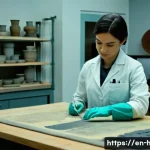
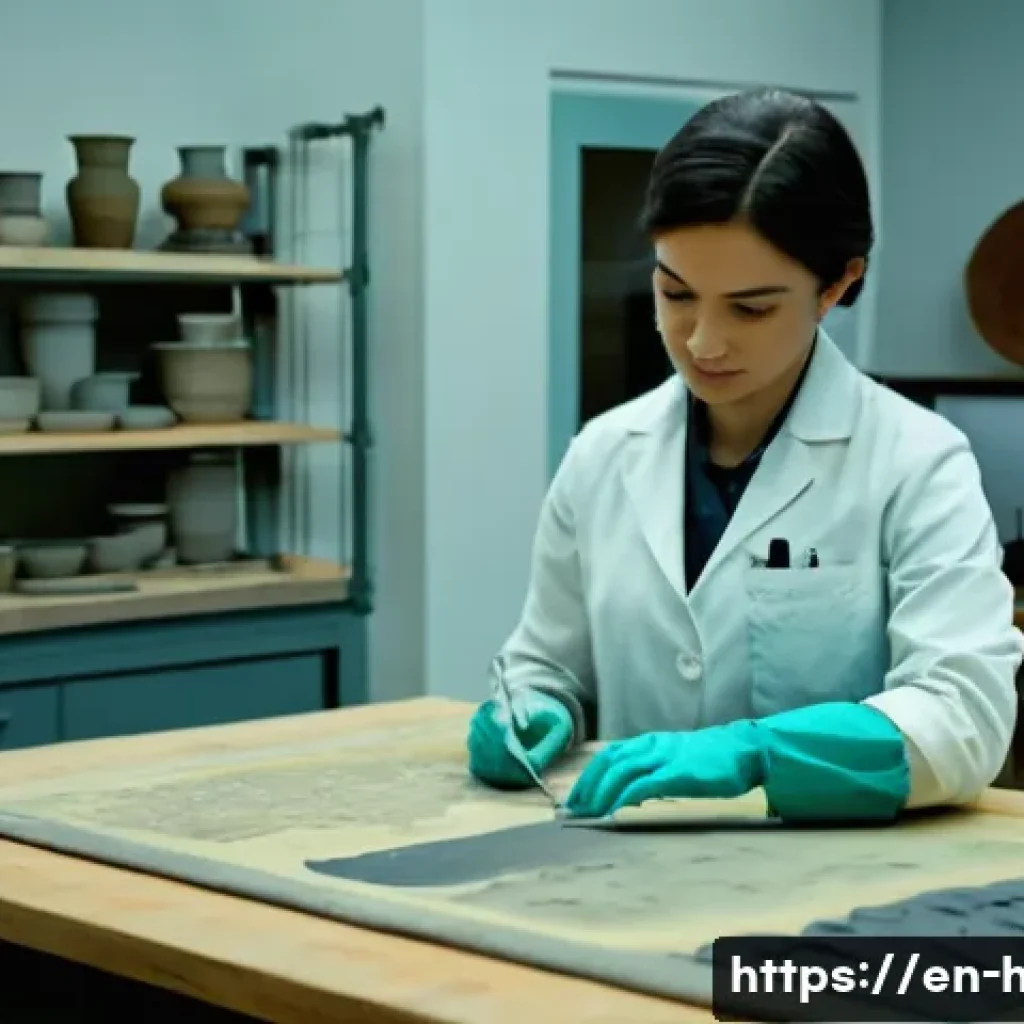
While theoretical knowledge is undeniably the bedrock of our profession, I’ve personally found that the practical, hands-on experience gained through specialized training and apprenticeships is where you truly transform from an aspiring enthusiast into a competent professional. There’s a world of difference between reading about a conservation technique in a textbook and actually applying it to a delicate object under the watchful eye of an experienced conservator. I still remember the sheer terror, mixed with exhilaration, of my first solo treatment – a seemingly simple paper repair that felt like brain surgery at the time! These apprenticeships often provide invaluable exposure to real-world challenges, like working with limited resources, unexpected material reactions, or the pressure of tight deadlines. They also teach you the unspoken rules of the trade: how to document meticulously, the importance of preventive conservation, and the ethical dilemmas that often arise. Many programs now integrate these practical components, but actively seeking out additional internships or volunteer opportunities in museums, archives, or private conservation studios can give you a significant edge and accelerate your learning curve beyond measure. It’s truly where the rubber meets the road.
Unlocking Your Potential: The Power of a Supportive Community
Sharing Knowledge and Navigating Challenges Together
Let’s be honest, the journey to becoming a conservationist can feel incredibly isolating at times. The specialized nature of our work means that not everyone ‘gets’ what we do, and the intense academic and practical demands can lead to burnout. This is exactly why finding your tribe, your community, is not just helpful—it’s absolutely essential for long-term success and sanity. I vividly recall struggling with a particularly complex organic chemistry concept during my studies, feeling utterly defeated. It was only when I connected with a study group of fellow students, some of whom had backgrounds in chemistry, that I finally grasped the material. We’d dissect problem sets, share notes, and even commiserate over late-night study sessions with copious amounts of coffee. These shared experiences not only made the learning process more enjoyable but also provided a crucial emotional support system. Beyond academic hurdles, a strong community allows for the exchange of practical tips, job market insights, and even mentorship opportunities that might otherwise be hard to come by. It’s like having a collective brain and a shared emotional reservoir to draw from, making even the toughest challenges feel surmountable.
Mentorship and Networking: Your Secret Weapons
Beyond academic support, the true magic of a dedicated community lies in the doors it can open through mentorship and networking. I can’t stress enough how much my own career has been shaped by the guidance of more experienced conservators who generously shared their time and wisdom. Whether it was advice on crafting a compelling portfolio, navigating a tricky job interview, or even just offering a sounding board for ethical dilemmas, their insights were invaluable. These relationships often start informally within a community – perhaps through online forums, professional organizations like the American Institute for Conservation (AIC) or ICON (Institute of Conservation) in the UK, or even local meetups. Attending conferences, even virtual ones, and actively participating in discussions are fantastic ways to meet people who are genuinely passionate about what you do. Remember, every connection you make is a potential mentor, collaborator, or even a future colleague. I’ve seen countless opportunities arise from casual conversations at industry events, leading to internships, research projects, and even full-time positions. Don’t be shy; reach out, ask questions, and offer to help others – the conservation community is incredibly supportive, and you’ll find that generosity often begets generosity.
The Ever-Evolving Toolkit: Embracing New Technologies and Methodologies
Integrating AI and Digital Tools in Conservation Practice
The field of cultural heritage conservation, while rooted in tradition, is anything but stagnant. I’ve personally witnessed a fascinating acceleration in the integration of new technologies, and frankly, it’s thrilling! Who would have thought that AI, once a concept relegated to sci-fi, would become a potential game-changer in our world? We’re seeing AI being explored for everything from predictive modeling of deterioration rates to sophisticated image analysis for identifying hidden details in artworks. Think about the possibilities of machine learning algorithms assisting in the classification of vast archival collections, or even in helping to virtually reconstruct fragmented artifacts. I remember thinking how tedious it was to manually cross-reference historical records for provenance research; now, imagine an AI assistant that could rapidly sift through digitized archives across the globe! Beyond AI, digital imaging techniques like multispectral and 3D scanning are becoming standard, offering non-invasive ways to document and analyze objects in incredible detail. Learning these tools isn’t just a bonus anymore; it’s becoming a crucial part of our professional development, enabling us to approach conservation challenges with unprecedented precision and efficiency. The key is to see these not as replacements for human expertise, but as powerful extensions of our capabilities.
Addressing Climate Change and Sustainability in Heritage Preservation
As much as we love delving into the past, our work as conservators is increasingly challenged by very present and future threats, none more pressing than climate change. It’s a sobering reality, but one we absolutely must confront head-on. Rising temperatures, extreme weather events, and fluctuating humidity levels pose unprecedented risks to cultural heritage, both in situ and within collections. I’ve seen firsthand the damage caused by unexpected floods to historic buildings and the subtle, insidious decay accelerated by prolonged periods of unseasonal heat. This means our role now extends beyond just treating existing damage; it encompasses proactive measures, risk assessment, and advocating for sustainable practices. Conservators are at the forefront of developing innovative solutions for environmentally controlled storage using passive systems, implementing resilient design principles for heritage sites, and even researching new, eco-friendly conservation materials. Understanding climate science and its impact on various heritage materials is no longer optional; it’s an ethical imperative. We are, after all, stewards of the past for the future, and that future is inextricably linked to our planet’s health. It truly feels like we’re fighting on multiple fronts, but with collective knowledge, we can make a significant difference.
From Passion Project to Sustainable Career: Making Conservation Your Livelihood
Navigating the Job Market and Identifying Opportunities
It’s a common misconception that working in cultural heritage conservation means a guaranteed spot in a glamorous museum, working solely on high-profile pieces. While those opportunities exist, the reality of the job market is far more diverse and often requires a creative approach to finding your niche. I’ve personally seen colleagues forge incredibly fulfilling careers in areas I hadn’t even considered when I started out. The traditional routes, of course, include positions in museums, archives, libraries, and national heritage organizations. But don’t overlook private conservation studios, which often specialize in specific materials or types of objects, or even contract work for architectural conservation projects. There’s also a growing demand for heritage specialists in consulting roles, working with developers on impact assessments, or with non-profits on community-based heritage initiatives. Identifying opportunities often means looking beyond the obvious job boards. Networking, as I mentioned, is paramount, but so is being proactive: reaching out to professionals for informational interviews, volunteering, and even creating your own projects can open unexpected doors. The market can be competitive, no doubt, but with persistence, a strong skill set, and a well-curated portfolio, you absolutely can carve out a meaningful and sustainable career.
Diversifying Your Skills: Beyond the Bench
To truly thrive in the conservation field, I’ve learned that being a skilled practitioner at the bench is only part of the equation. Diversifying your skill set beyond the core technical conservation treatments can make you an incredibly valuable asset and open up a wider range of career opportunities. Think about it: a conservator who also excels at grant writing can secure vital funding for projects; one with strong digital media skills can help communicate the importance of conservation to a broader public; or someone proficient in project management can lead complex restoration initiatives from start to finish. I recall a time when my rudimentary photography skills became incredibly useful for documenting a large-scale architectural survey, saving our team precious time and resources. Developing skills in areas like fundraising, public outreach, collections management, scientific analysis, or even basic business acumen (especially if you dream of running your own studio) can significantly enhance your employability and impact. It’s about being a well-rounded professional who can adapt to the varied demands of the heritage sector. Investing time in these ‘soft’ and complementary skills isn’t just a bonus; it’s a strategic move to future-proof your career in this dynamic field.
| Specialization Area | Typical Responsibilities | Key Skills Required | Potential Work Environments |
|---|---|---|---|
| Objects Conservation | Examining, documenting, and treating three-dimensional artifacts (e.g., sculpture, archaeological finds, ethnographic objects). | Material science, diagnostic analysis, manual dexterity, ethical decision-making, understanding of various materials (metal, wood, ceramic). | Museums, archaeological sites, private studios, government heritage bodies. |
| Paper Conservation | Preserving and restoring books, manuscripts, prints, drawings, maps, and archival documents. | Knowledge of paper chemistry, deacidification, mold remediation, binding techniques, digital reproduction. | Libraries, archives, museums, private collections. |
| Paintings Conservation | Treating easel paintings, murals, and painted surfaces. | Understanding of art history, paint chemistry, cleaning techniques, consolidation, inpainting, knowledge of artist techniques. | Art museums, galleries, private studios, churches. |
| Architectural Conservation | Preserving historic buildings, structures, and sites. | Historic building materials, structural analysis, traditional building crafts, project management, understanding of building codes and regulations. | Heritage organizations, government agencies, architectural firms, private consultancies. |
| Textile Conservation | Conserving historical and artistic textiles, including tapestries, costumes, flags, and upholstery. | Fiber identification, dyeing techniques, wet and dry cleaning, support stitching, understanding of textile history. | Museums, historical societies, private collections. |
Building Your Personal Brand: Becoming a Voice in Conservation

Sharing Your Journey and Expertise Through Digital Platforms
In today’s interconnected world, simply being an excellent conservator isn’t always enough to make a significant impact or even advance your career. I’ve found that actively sharing my journey and expertise through digital platforms has been transformative, not just for my own professional growth but also for engaging a wider audience with the importance of cultural heritage. Think of it as building your personal brand – becoming a recognized voice in the field. This could mean starting a blog, like this one, sharing behind-the-scenes glimpses of your work on Instagram, contributing to professional forums, or even launching a podcast where you interview other experts. The beauty of these platforms is their ability to demystify our often-complex work and make it accessible to everyone, from curious enthusiasts to potential donors or collaborators. I’ve received countless messages from aspiring conservators who found inspiration or guidance through a post I shared, which is incredibly rewarding. It’s about translating your passion and technical knowledge into engaging stories that resonate with people, fostering a deeper appreciation for heritage preservation. Don’t underestimate the power of your unique perspective and voice; it can truly make a difference.
Advocacy and Public Engagement: Championing Heritage
Our role as conservators extends far beyond the lab or studio; we are, inherently, advocates for the invaluable treasures we protect. Public engagement isn’t just a nice-to-have; it’s a critical component of ensuring the long-term survival and appreciation of cultural heritage. I truly believe that if people don’t understand the value of something, they won’t fight to preserve it. This is where active advocacy comes in, whether it’s through educational workshops for schools, public lectures on ongoing projects, or even engaging with local government officials about heritage protection policies. I’ve participated in community clean-up days at historical sites, which not only directly helped the site but also fostered a sense of ownership and pride among local residents. By breaking down complex conservation concepts into relatable terms, we can inspire new generations of conservators and build a broader base of support for our work. It’s about telling the stories behind the artifacts, explaining the scientific principles in an accessible way, and showing the tangible impact of our efforts. When you actively champion heritage, you become a bridge between the past and the present, ensuring that these irreplaceable legacies continue to enrich lives for centuries to come.
Wrapping Things Up
Well, we’ve covered quite a bit, haven’t we? From navigating the certification labyrinth to embracing new tech and building our personal brands, the journey in cultural heritage conservation is truly a dynamic one. What I hope you take away from all this is that while the path can be challenging, it’s also incredibly rewarding. It’s about passion, persistence, and finding your community. Remember, every artifact you preserve, every story you share, contributes to a richer understanding of our collective human story. Keep learning, keep connecting, and never stop advocating for the irreplaceable treasures that bridge our past with our future. Your unique contribution is so vital.
Useful Information to Keep Handy
1. Network Relentlessly: Seriously, attend those conferences, join professional groups like AIC or ICON, and connect with peers and mentors. Many opportunities arise from these connections!
2. Embrace Lifelong Learning: The field is always evolving, so stay curious about new technologies, materials, and methodologies. Online courses, workshops, and even just following relevant research papers can make a huge difference.
3. Diversify Your Skillset: Beyond your core conservation techniques, consider picking up skills in grant writing, public speaking, digital media, or even basic project management. These can significantly broaden your career prospects.
4. Practice Ethical Decision-Making: Conservation often involves complex ethical dilemmas. Familiarize yourself with professional codes of ethics and discuss challenging scenarios with colleagues to hone your judgment.
5. Prioritize Self-Care: This work can be demanding, both intellectually and emotionally. Don’t forget to take breaks, maintain a work-life balance, and seek support when you need it to avoid burnout.
Key Takeaways
At its heart, a fulfilling career in cultural heritage conservation hinges on a blend of rigorous training, hands-on experience, and a vibrant community. Don’t underestimate the power of mentorship and proactive networking; these can open doors you never even knew existed. Crucially, staying adaptable to new technologies, advocating for heritage, and embracing skills beyond the workbench will make you an invaluable professional. It’s a journey that requires dedication, but the chance to safeguard our shared history for future generations is an unparalleled privilege.
Frequently Asked Questions (FAQ) 📖
Q: This field sounds incredibly rewarding, but also quite challenging. How tough is it really to become a certified cultural heritage conservationist?
A: Oh, you’re absolutely right, it’s a journey that demands everything you’ve got, but the reward is beyond measure! From my own experience, I can tell you it’s not for the faint of heart.
Think about it – you’re dealing with irreplaceable treasures, right? So, the depth of knowledge you need to acquire is immense. You’re not just learning history; you’re diving into chemistry, art history, material science, even environmental studies.
And then there are the practical skills – the delicate hands-on work, the meticulous eye for detail that only comes with countless hours of practice. I remember my first few attempts at consolidation; my hands felt like they had a mind of their own!
It truly felt overwhelming at times, like trying to assemble a puzzle with a thousand tiny, identical pieces. But honestly, that rigorous training is what makes you good.
What truly pushes you through is that burning passion, that deep-seated desire to protect these incredible stories from the past. It’s demanding, yes, but every challenge overcome feels like a monumental victory, drawing you closer to your purpose.
And trust me, the sense of accomplishment when you contribute to preserving something truly ancient? Absolutely unparalleled.
Q: You mentioned how crucial finding a community was for you. Can you elaborate on why a supportive network is so vital for aspiring conservationists?
A: This is a question close to my heart because, without my network, I honestly don’t know if I would have made it through! When you’re tackling something as intricate as cultural heritage conservation, you quickly realize you can’t do it alone.
The learning curve is steep, and there are countless techniques, historical contexts, and material properties to grasp. For me, connecting with others on the same path wasn’t just about getting answers; it was about shared understanding.
We’d swap study tips for those notoriously difficult chemistry exams, share insights on obscure historical periods, and even brainstorm solutions for tricky practical assignments.
More importantly, it was the emotional support. There were days when I felt completely swamped, doubting my abilities, and just knowing there were others who understood that specific struggle, who could offer a word of encouragement or a fresh perspective, made all the difference.
We’d celebrate small victories and commiserate over the inevitable setbacks. This field can be isolating because it’s so specialized, so having that community transforms it from a solitary quest into a shared adventure.
It genuinely felt like we were all each other’s secret weapons, and it still does!
Q: The field of conservation is always evolving. What new challenges or exciting trends are you seeing, especially with technology like
A: I and concerns like climate change? A3: It’s an incredibly dynamic time to be in conservation, isn’t it? The pace of change is exhilarating, but it also brings a whole new set of challenges that we’re all learning to navigate.
One of the biggest buzzes right now, and something I’m personally fascinated by, is the integration of AI in restoration. Imagine using AI to analyze damaged artifacts, predict material degradation, or even help reconstruct missing pieces virtually!
It’s still in its early stages, but the potential is mind-blowing. I’ve seen some incredible pilot projects that are already revolutionizing how we approach complex restoration tasks, making them more precise and less invasive.
Then, there’s the undeniable impact of climate change. This is a monumental challenge for all of us. Rising sea levels, extreme weather events, and shifting environmental conditions are directly threatening countless heritage sites around the globe.
We’re talking about ancient cities, fragile monuments, and delicate ecological heritage that simply weren’t built to withstand these new pressures. This forces us to think differently about preservation – not just about reactive restoration, but proactive adaptation and mitigation strategies.
It demands an interdisciplinary approach, pushing us to collaborate with climate scientists, engineers, and local communities more than ever before. It means continuous learning is no longer optional; it’s absolutely essential.
It’s a huge responsibility, but also an incredible opportunity to innovate and protect our shared past for a future that looks very different.