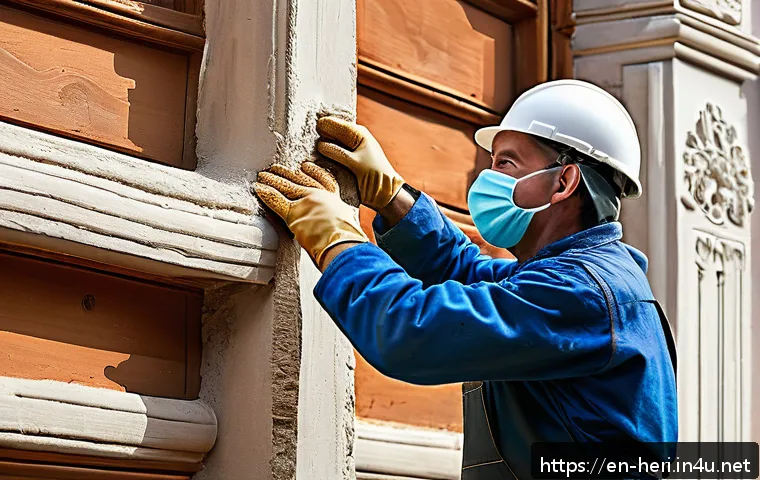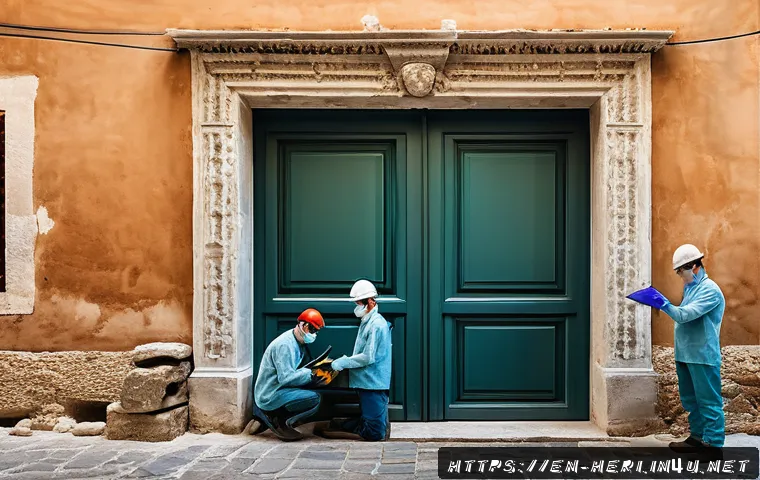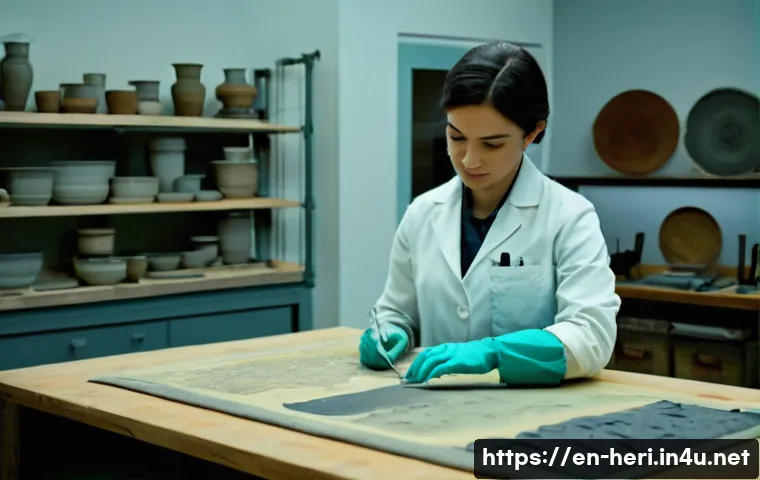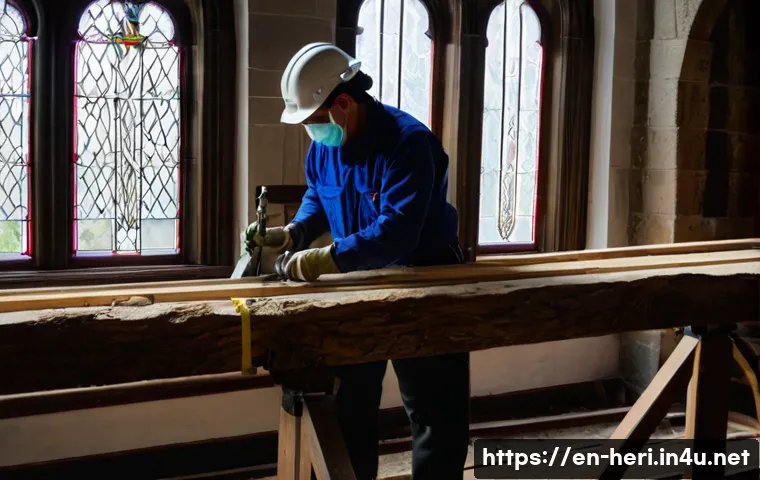
Working as a cultural heritage restoration technician comes with its own unique set of challenges. From dealing with delicate materials to navigating strict preservation guidelines, the job demands a careful balance between expertise and creativity.
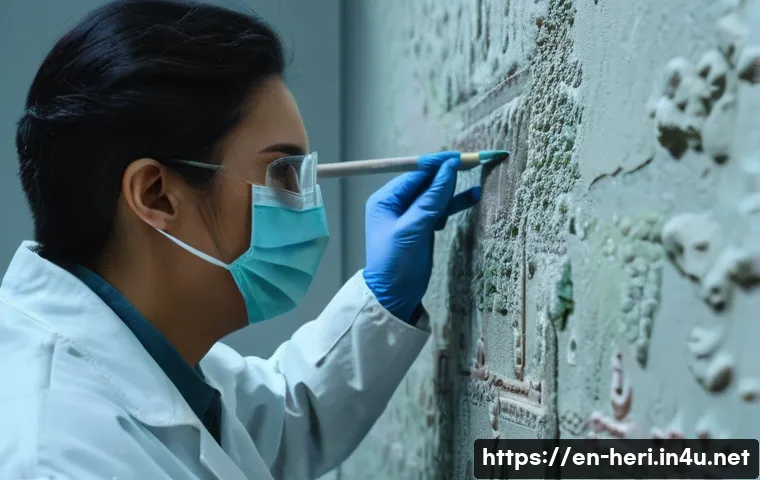
Often, unexpected issues arise on-site that test both technical skills and problem-solving abilities. These common hurdles can impact project timelines and the overall quality of restoration work.
Understanding these practical difficulties is essential for anyone involved in heritage conservation. Let’s dive deeper into the typical problems faced in this field and how they’re effectively managed!
Balancing Preservation Standards with On-Site Realities
Interpreting Preservation Guidelines in Complex Situations
Working on historic structures often means following strict preservation standards designed to protect the original fabric of the site. However, real-world conditions rarely fit neatly within these guidelines.
For example, when a centuries-old timber beam shows signs of rot, the technician must decide whether to conserve it as-is or reinforce it subtly without altering the historic character.
This requires not just technical knowledge but also interpretive judgment, balancing authenticity with safety and longevity. Sometimes, preservation manuals provide general principles but lack clear instructions for rare or complicated cases, which can cause hesitation and require consultation with conservation experts.
I’ve seen situations where a site’s unique materials forced the team to rethink traditional approaches entirely, illustrating how flexible thinking is essential in this role.
Managing Unexpected Environmental Factors
Environmental conditions like humidity, temperature fluctuations, or pollution levels can significantly affect the restoration process. Even if the project starts under ideal conditions, sudden weather changes or nearby construction vibrations can damage delicate elements.
For example, moisture infiltration may cause plaster layers to swell or paint pigments to deteriorate unexpectedly. In one project I was involved in, an unseasonably rainy period caused delays because the materials needed dry conditions to set properly.
These factors demand constant monitoring and sometimes improvising protective measures such as temporary coverings or climate controls. This unpredictability can disrupt schedules and budgets, requiring contingency planning from the outset.
Negotiating with Regulatory Bodies and Stakeholders
Heritage projects often involve multiple stakeholders, including government agencies, local communities, and funding bodies. Each group may have different priorities and interpretations of preservation goals, which can complicate decision-making.
For instance, a regulatory authority might insist on using traditional materials even if modern alternatives would offer better durability, whereas a funding agency might prioritize cost efficiency.
Navigating these demands requires excellent communication skills and sometimes compromises that do not compromise the integrity of the site. From my experience, building strong relationships and maintaining transparency throughout the process helps smooth over these challenges and keeps projects moving forward.
Technical Challenges in Handling Fragile Materials
Dealing with Age-Related Material Deterioration
Materials like wood, stone, and ancient mortar degrade over time, often in unpredictable ways. This deterioration can make them extremely fragile and sensitive to handling.
For example, a stone carving might crumble if touched incorrectly or exposed to certain cleaning agents. I once worked on a project where the original paint layers on a mural were so delicate that even gentle brushing risked loss.
This requires technicians to have a deep understanding of material science and hands-on experience with delicate interventions. Specialized tools and techniques, such as micro-abrasion or consolidants, are often employed to stabilize these materials without causing further damage.
Ensuring Compatibility of Repair Materials
Choosing repair materials that are chemically and physically compatible with the original is crucial to avoid future damage. For example, using cement-based mortar on historic lime-based masonry can trap moisture and accelerate deterioration.
This is a common pitfall for less experienced technicians. I’ve learned that extensive testing and sometimes custom-formulating materials on-site is necessary to match texture, porosity, and color exactly.
This process can be time-consuming but pays off in the long run by preserving the structure’s integrity and appearance. The key is to respect the original craftsmanship and material behavior rather than imposing modern shortcuts.
Implementing Precision Techniques under Time Pressure
Restoration work often involves painstaking detail, such as in-painting tiny cracks or reconstructing intricate motifs. Achieving this precision is challenging, especially when projects are under tight deadlines.
I recall a case where a historical façade needed urgent stabilization before an approaching storm season, forcing the team to balance speed with quality.
The pressure can lead to stress and mistakes if not managed properly. Techniques like layering repairs gradually, using magnification tools, and team collaboration help maintain high standards despite time constraints.
It’s a constant juggling act between craftsmanship and project management.
Communication and Collaboration Challenges
Coordinating Multidisciplinary Teams
Restoration projects bring together architects, historians, engineers, conservators, and artisans, each with their own expertise and priorities. Aligning these different perspectives into a coherent workflow is often difficult.
Miscommunication can lead to errors, such as incompatible interventions or duplicated efforts. From my experience, regular interdisciplinary meetings and clear documentation are vital to avoid confusion.
For example, sharing detailed reports and photos after each phase ensures everyone understands the current condition and next steps. A collaborative mindset fosters mutual respect and innovation, which ultimately benefits the project.
Handling Client Expectations and Public Interest
Clients and the public often have strong emotional connections to heritage sites, which can translate into high expectations or conflicting opinions. Managing these human factors requires tact and empathy.
I’ve encountered situations where community members opposed certain restoration choices due to cultural sensitivities, necessitating open dialogues and sometimes revisiting plans.
Educating stakeholders about the complexities involved and the reasons behind specific methods helps build trust. Transparent communication reduces misunderstandings and promotes a shared sense of responsibility for preserving the site.
Training and Knowledge Transfer within the Team
Heritage restoration is a specialized field, and ensuring all team members have up-to-date skills is a continuous challenge. New technologies and materials constantly emerge, requiring ongoing training.
In addition, experienced technicians must pass on traditional techniques that might not be documented formally. On one project, I saw how pairing junior staff with seasoned mentors accelerated learning and improved work quality.
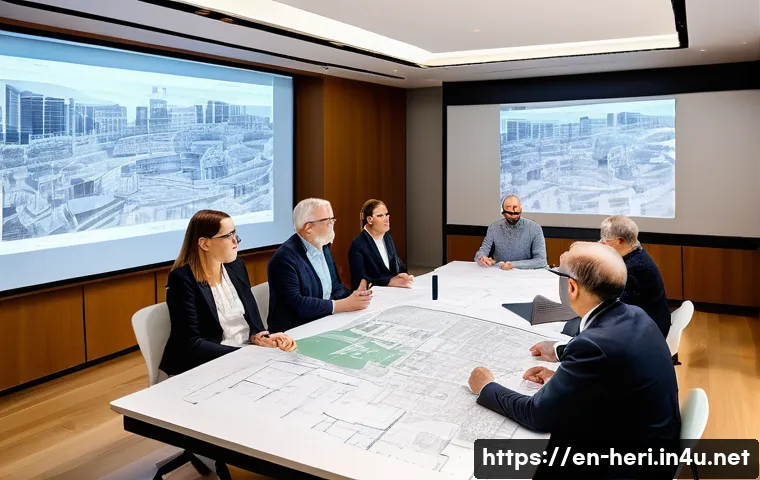
Structured workshops and hands-on demonstrations are effective ways to maintain knowledge transfer. This not only benefits current projects but also helps sustain the craft for future generations.
Logistical and Resource Constraints on Site
Access and Safety Issues in Historic Locations
Many heritage sites are located in difficult-to-reach places or have fragile structures that complicate access. Setting up scaffolding without damaging the site or ensuring worker safety in cramped spaces requires careful planning.
I’ve worked on buildings where narrow staircases or uneven floors made moving heavy equipment challenging. This often means using lighter tools or manual techniques that take more time.
Safety is paramount, both for the team and the site, so risk assessments and specialized protective gear are routine. These logistical hurdles can slow down progress but are necessary to avoid accidents or irreversible damage.
Managing Limited Budgets and Material Availability
Financial constraints frequently impact the scope and pace of restoration projects. Authentic materials and skilled labor can be expensive, and sourcing them may involve long lead times.
For instance, obtaining historically accurate pigments or rare woods sometimes takes months. Budget limitations may force prioritizing critical areas or phasing the work over several seasons.
In my experience, creative problem-solving—such as recycling original materials or negotiating bulk purchases—can stretch resources further. Transparent cost tracking and realistic scheduling with stakeholders prevent unpleasant surprises and help maintain trust.
Adapting to Changing Project Requirements
Unexpected discoveries during restoration, like hidden damage or undocumented features, often require revising plans mid-project. This can disrupt timelines and budgets but also offers opportunities to enhance historical understanding.
I recall a case where uncovering original frescoes beneath later layers led to a shift in focus and the need for specialist conservators. Flexibility and contingency planning are essential traits for technicians to handle these surprises without compromising overall goals.
Maintaining thorough documentation ensures that changes are tracked and justified.
Preserving Authenticity While Embracing Innovation
Integrating Modern Technologies Sensitively
Technological advances such as 3D scanning, laser cleaning, and digital modeling are increasingly used in heritage restoration. These tools improve accuracy and reduce physical intervention but must be applied thoughtfully to avoid overshadowing traditional craftsmanship.
For example, laser cleaning can remove pollutants without abrasive chemicals, but improper use risks damaging fragile surfaces. I’ve found that combining technology with hands-on expertise yields the best outcomes, where digital tools guide but do not replace skilled manual work.
This synergy respects the site’s authenticity while enhancing conservation quality.
Ethical Considerations in Restoration Choices
Deciding how much to restore versus preserve “as found” involves ethical judgment. Over-restoration risks creating a false historical narrative, while under-restoration might leave the site vulnerable.
These decisions require a deep understanding of the site’s significance and cultural context. I’ve been part of teams that debated extensively about reconstructing missing elements or leaving them visible as ruins.
Transparency with stakeholders and adherence to international charters on conservation ethics guide these choices. Ultimately, the goal is to respect the heritage’s story and integrity for future generations.
Training for Future-Ready Conservation Practices
Preparing for the future means embracing sustainability and resilience in restoration work. Using eco-friendly materials, minimizing waste, and designing for climate adaptability are emerging priorities.
I’ve noticed a growing trend towards integrating green technologies and renewable resources without compromising historical accuracy. This forward-thinking approach ensures heritage sites can withstand evolving environmental challenges.
Ongoing education and research are crucial for technicians to stay current and responsible stewards of cultural heritage.
| Common Challenge | Typical Impact | Effective Management Strategies |
|---|---|---|
| Strict Preservation Standards vs. Site Conditions | Delays, need for expert consultation | Flexible interpretation, stakeholder communication |
| Fragile Material Handling | Risk of damage, slow progress | Specialized tools, hands-on experience, testing |
| Environmental Factors | Material deterioration, schedule disruption | Climate monitoring, protective measures |
| Multidisciplinary Coordination | Miscommunication, duplicated efforts | Regular meetings, clear documentation |
| Budget and Resource Limits | Scope reduction, phased work | Creative sourcing, cost transparency |
| Unexpected Discoveries | Plan changes, budget overruns | Contingency planning, thorough documentation |
In Conclusion
Balancing preservation standards with the realities on site requires flexibility, expertise, and open communication. Each project brings unique challenges that demand thoughtful decision-making and adaptive strategies. By embracing collaboration and innovation while respecting historical integrity, restoration professionals can protect heritage for future generations. Ultimately, success lies in harmonizing tradition with practical solutions.
Useful Information to Keep in Mind
1. Preservation guidelines serve as essential frameworks but often require interpretation to fit complex or unexpected site conditions.
2. Environmental factors can unpredictably impact materials and schedules, so constant monitoring and contingency plans are critical.
3. Effective communication among multidisciplinary teams prevents costly errors and fosters a collaborative atmosphere.
4. Selecting repair materials that are compatible with original elements ensures long-term stability and authenticity.
5. Integrating modern technologies thoughtfully can enhance restoration quality without compromising historical value.
Key Takeaways
Successful heritage restoration hinges on balancing strict preservation rules with the practical challenges found onsite. Flexibility in approach, combined with specialized knowledge and clear stakeholder communication, is vital. Managing fragile materials demands precision and patience, while budget and environmental constraints call for creative problem-solving. Embracing both traditional craftsmanship and modern innovation ensures authentic, sustainable conservation outcomes. Above all, transparency and teamwork remain the cornerstones of preserving cultural heritage effectively.
Frequently Asked Questions (FAQ) 📖
Q: What are the biggest challenges when working with delicate materials in heritage restoration?
A: One of the toughest parts is handling materials that are centuries old and extremely fragile. For instance, when restoring antique textiles or aged wood, even the slightest pressure or wrong cleaning agent can cause irreversible damage.
From my experience, patience and a steady hand are non-negotiable, and you often have to invent creative solutions on the spot because no two artifacts behave the same way.
It’s a constant dance between preserving authenticity and preventing further deterioration.
Q: How do preservation guidelines impact the restoration process?
A: Preservation guidelines are crucial but can sometimes feel restrictive. They’re designed to maintain historical integrity, which means you can’t just replace old parts with new ones or use modern shortcuts.
This often means slower progress and more meticulous planning. However, these rules also push you to deepen your knowledge and innovate within strict boundaries.
Over time, I’ve learned that embracing these guidelines rather than seeing them as obstacles actually leads to higher-quality and more respectful restoration outcomes.
Q: How do restoration technicians handle unexpected problems on-site?
A: Unexpected issues are almost a given in this line of work—whether it’s discovering hidden damage or materials reacting unpredictably. The key is staying calm and flexible.
For example, I once encountered mold on a mural that wasn’t visible during initial inspections. Quickly consulting with conservation scientists and adjusting the treatment plan was essential.
In these moments, your problem-solving skills and teamwork really shine, and being prepared with a range of techniques helps keep the project on track despite surprises.