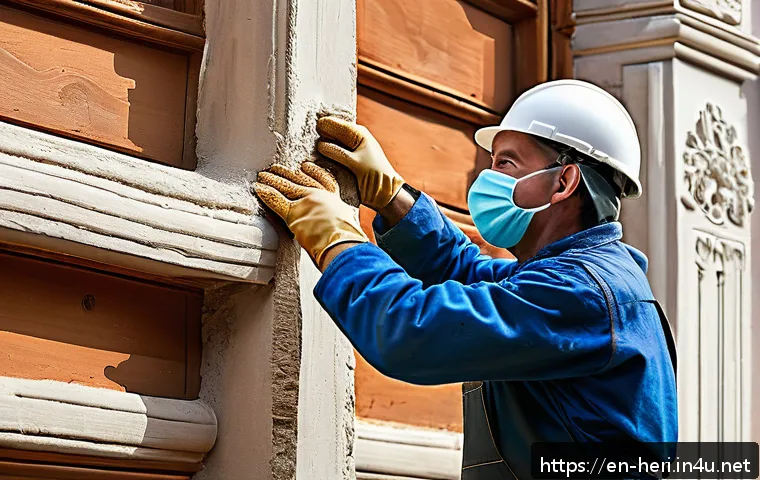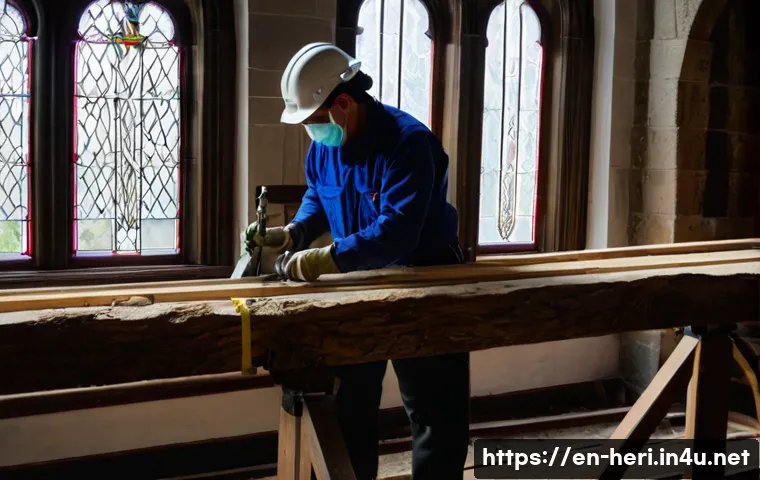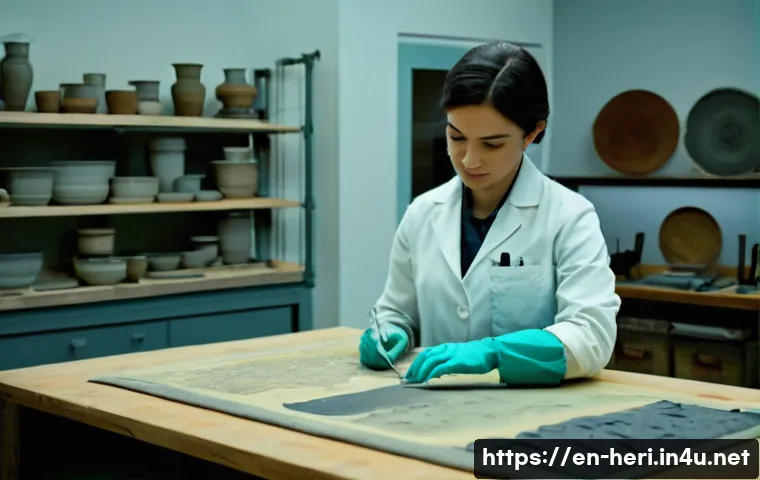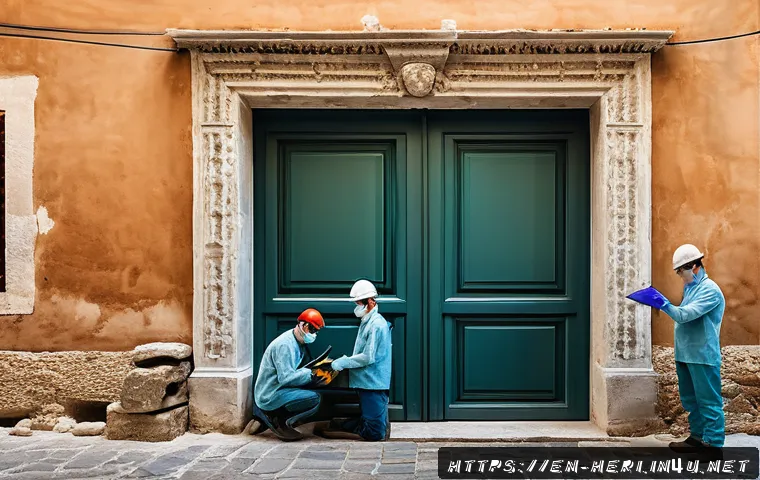
In today’s globalized world, cultural heritage conservation is gaining unprecedented attention as nations strive to preserve their unique identities amid rapid modernization.
For specialists aiming to build a career overseas, understanding the nuances of international standards and local practices is more crucial than ever.
Whether you’re drawn to ancient architecture in Europe or indigenous artifacts in the Americas, preparing effectively can open doors to rewarding opportunities.
I’ve navigated this path myself and learned that blending technical skills with cultural sensitivity is key. Let’s explore how you can set yourself up for success in this fascinating, impactful field.
Mastering International Conservation Standards
Understanding Global Guidelines and Protocols
Navigating the world of heritage conservation overseas means diving deep into a complex web of international standards. Organizations like UNESCO and ICOMOS set frameworks that guide preservation efforts globally, but these standards often need to be interpreted within the specific cultural and legal context of the host country.
From the Venice Charter to the Nara Document on Authenticity, each guideline emphasizes different priorities—whether it’s maintaining material authenticity or respecting intangible cultural values.
When I worked on a restoration project in Italy, I quickly realized that knowing these documents inside out wasn’t just academic—it was essential for effective communication with local authorities and ensuring project approval.
Bridging Technical Expertise with Cultural Sensitivity
Technical skills alone won’t get you far if you overlook the cultural dimensions of heritage sites. I’ve found that approaching conservation with humility and a willingness to learn local traditions can open doors that pure technical prowess cannot.
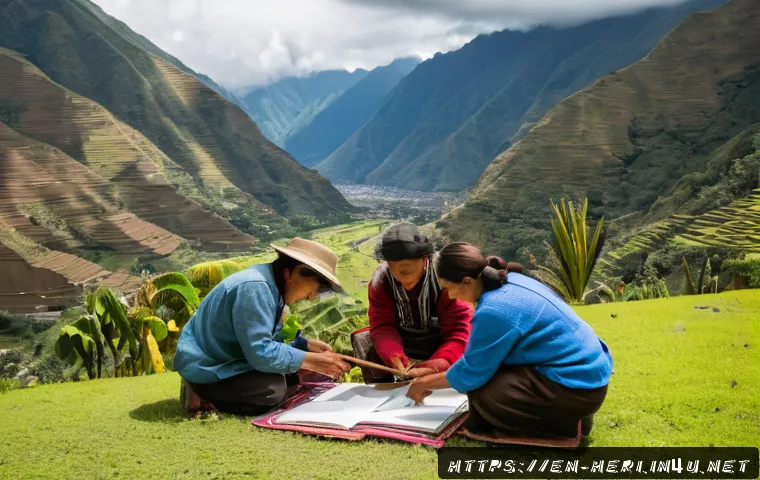
For example, in Mexico, indigenous communities often have spiritual connections to artifacts that influence how restoration should proceed. Taking time to engage with these stakeholders not only enriches your understanding but also fosters trust, which is crucial when working abroad.
Developing this cultural sensitivity helps avoid misunderstandings and ensures that conservation work honors the living heritage of the community.
Adapting to Local Regulatory Environments
Every country has its own set of laws and bureaucratic processes governing cultural heritage conservation. When I first started working in Southeast Asia, I was surprised by how different the permit procedures and documentation requirements were compared to Europe.
Patience and thorough preparation are your best allies here. Researching local regulations in advance and establishing contacts with government agencies can save months of delays.
It’s also wise to keep updated on any changes in policies, as conservation laws can evolve quickly in response to political or social shifts.
Building Practical Skills for Overseas Assignments
Hands-On Training and Certification
Nothing beats actual field experience when preparing for international conservation roles. I recommend seeking apprenticeships or internships with organizations that handle cross-border projects.
These opportunities expose you to diverse techniques, from traditional masonry repairs in Europe to organic material preservation in tropical climates.
Additionally, certifications like the American Institute for Conservation’s credentials or the ICCROM courses can boost your resume and credibility. When I completed a specialized course on stone conservation, it directly led to my first overseas contract, proving the value of targeted training.
Language and Communication Skills
Speaking the local language, or at least having a working knowledge, can dramatically enhance your effectiveness on site. Beyond just verbal communication, understanding cultural communication styles helps you navigate negotiations and team dynamics more smoothly.
In my experience working in Japan, even basic Japanese phrases helped break the ice and demonstrated respect, which translated into better collaboration.
Investing time in language learning apps or local language courses before your assignment can pay off immensely.
Technology and Documentation Tools
Modern conservation increasingly relies on digital tools for documentation, analysis, and reporting. Familiarity with software like AutoCAD, GIS mapping, and photogrammetry can set you apart.
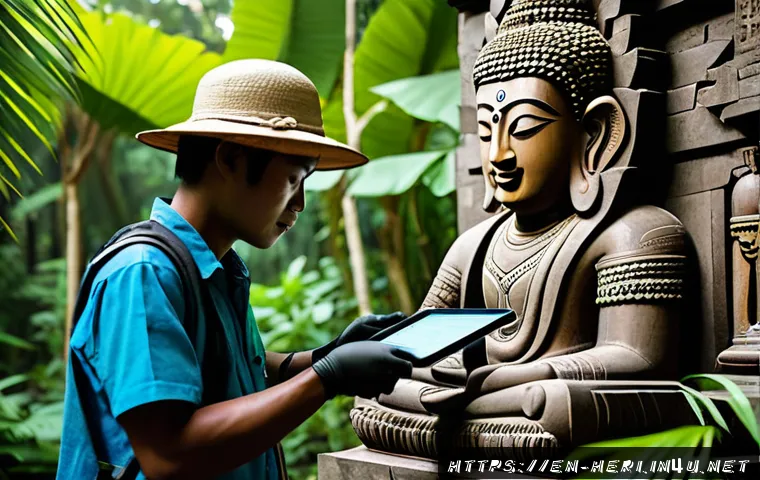
When I used 3D scanning technology on a project in Greece, it not only improved accuracy but also impressed stakeholders, leading to additional project offers.
Staying updated on emerging technologies and integrating them into your skillset can make your work more efficient and impactful.
Navigating Cross-Cultural Teamwork and Leadership
Building Trust in Multinational Teams
Working overseas often means collaborating with professionals from diverse backgrounds, each bringing different approaches and expectations. I’ve learned that fostering open communication and showing genuine respect for all viewpoints helps build a cohesive team.
For instance, during a project in South Africa, daily informal check-ins created a sense of camaraderie that boosted morale and productivity. Leadership in this context means being adaptable and empathetic, qualities that go beyond technical management.
Conflict Resolution in Sensitive Environments
Differences in working styles or cultural misunderstandings can sometimes lead to conflicts. When I encountered disputes between local artisans and foreign experts, I found that mediating with patience and focusing on shared goals was key.
Emphasizing common respect for the heritage site rather than personal opinions helped bridge gaps. Developing conflict resolution skills is invaluable for maintaining smooth workflows and protecting relationships critical for project success.
Encouraging Knowledge Exchange and Capacity Building
One of the most rewarding aspects of international work is contributing to local capacity building. Sharing your expertise while learning from local traditions creates a two-way street of enrichment.
On a conservation project in Peru, I organized workshops that empowered local craftsmen with new techniques while also learning about indigenous methods that improved our restoration outcomes.
This collaborative approach not only enhances project quality but also leaves a lasting positive impact on the community.
Preparing Logistically for Life Abroad
Visa and Work Permit Essentials
Securing the right visa and work permits can be a complicated and time-consuming process. I recall spending weeks navigating paperwork for a long-term project in the Middle East, where regulations were strict and documentation detailed.
It’s crucial to start early and keep a checklist of required documents, from professional licenses to health clearances. Consulting with local embassies or immigration experts can prevent costly mistakes and ensure a smooth transition.
Adapting to Local Living Conditions
Adjusting to new living environments is part of the overseas experience. Climate, food, transportation, and healthcare all impact your daily life and work stamina.
When I moved to a remote area in Central Asia, I had to acclimate to extreme weather and limited amenities. Preparing mentally and physically by researching these conditions beforehand helped me stay productive and healthy.
Building a support network, either through expatriate groups or locals, can also ease the adjustment period.
Financial Planning and Budgeting Abroad
Managing finances overseas requires careful planning to accommodate currency differences, cost of living, and unexpected expenses. I always set up a local bank account early and keep track of exchange rates to maximize my budget.
Additionally, understanding tax obligations both at home and abroad helps avoid surprises. Creating a detailed monthly budget that includes housing, transportation, and leisure ensures you can focus on your work without financial stress.
Understanding Ethical Responsibilities and Sustainability
Respecting Community Rights and Heritage Ownership
Conservation is not just about preserving objects but respecting the people connected to them. Ethical practice means recognizing community rights and ensuring their voices shape conservation decisions.
I once participated in a project where local elders insisted on certain rituals before restoration work began, which was an eye-opening lesson in respect and cultural inclusion.
Upholding these values strengthens relationships and fosters sustainable stewardship.
Promoting Environmental Sustainability in Conservation
Sustainability is increasingly important in heritage work, especially when balancing preservation with environmental impact. Using eco-friendly materials and minimizing waste were priorities in a coastal restoration project I joined in New Zealand.
Incorporating green practices not only protects the site but also aligns with global efforts to combat climate change, enhancing the long-term viability of conservation projects.
Transparency and Accountability in Reporting
Maintaining clear, accurate documentation and sharing progress openly with stakeholders builds trust and supports future research. I’ve found that using digital platforms for regular updates improves transparency and allows for timely feedback.
Being accountable for your work, including acknowledging challenges and setbacks, reflects professionalism and integrity essential for career growth in this field.
Comparing Key Skills and Requirements Across Regions
| Region | Key Conservation Focus | Language Requirements | Common Challenges |
|---|---|---|---|
| Europe | Architectural restoration, stone masonry | English, local languages like Italian, French, German | Strict heritage laws, bureaucratic delays |
| Americas | Indigenous artifacts, mixed media preservation | English, Spanish, Portuguese | Community engagement, balancing modernization |
| Asia-Pacific | Organic materials, temple conservation | English, local languages like Japanese, Korean, Bahasa | Climate challenges, language barriers |
| Africa | Archaeological sites, oral heritage | English, French, local dialects | Infrastructure limitations, funding constraints |
| Middle East | Ancient monuments, mosaics | English, Arabic | Political instability, regulatory complexity |
Conclusion
Mastering international conservation standards requires a blend of technical knowledge, cultural sensitivity, and adaptability. Through hands-on experience and open collaboration, professionals can navigate complex regulatory environments and foster meaningful relationships with local communities. Embracing these elements not only enhances project success but also contributes to sustainable heritage preservation worldwide.
Useful Information to Know
1. Early preparation and understanding of local regulations can prevent costly delays in obtaining permits and approvals.
2. Building trust through respectful communication and cultural awareness is essential when working with diverse teams and communities.
3. Investing in practical training and language skills significantly improves your effectiveness on international conservation projects.
4. Utilizing modern technology like 3D scanning and digital documentation enhances accuracy and stakeholder engagement.
5. Ethical responsibility includes respecting community rights and promoting environmentally sustainable conservation practices.
Key Takeaways
Success in international conservation hinges on balancing technical expertise with cultural respect and regulatory compliance. Continuous learning, effective communication, and ethical stewardship are vital to delivering impactful and lasting preservation work. Preparing thoroughly—both professionally and personally—ensures smoother transitions and greater contributions to heritage sites around the world.
Frequently Asked Questions (FAQ) 📖
Q: What essential skills should I develop to succeed in cultural heritage conservation abroad?
A: To thrive in this field internationally, you need a solid blend of technical expertise—such as knowledge of conservation methods, materials science, and documentation techniques—and cultural sensitivity.
Understanding local customs, languages, and historical contexts is equally important. From my experience, building strong communication skills and adaptability opens doors, especially when collaborating with diverse teams or navigating regulatory environments unique to each country.
Q: How can I prepare for working with international standards while respecting local heritage practices?
A: The key is striking a balance between global conservation frameworks like those set by UNESCO or ICOMOS and the specific traditions and values of the local community.
I found that investing time in research, attending workshops, and networking with local professionals helped me grasp these nuances. It’s crucial to approach each project with humility and a willingness to learn, ensuring that international best practices enhance rather than override local heritage conservation efforts.
Q: What are the best ways to find career opportunities in cultural heritage conservation overseas?
A: Start by targeting organizations that specialize in heritage preservation, such as museums, NGOs, and governmental agencies with international reach. Volunteering or internships can be invaluable for gaining firsthand experience and building connections.
I personally benefited from joining professional networks and online forums dedicated to conservation, which often share job openings and advice. Also, consider pursuing advanced degrees or certifications recognized worldwide to boost your credibility and marketability.