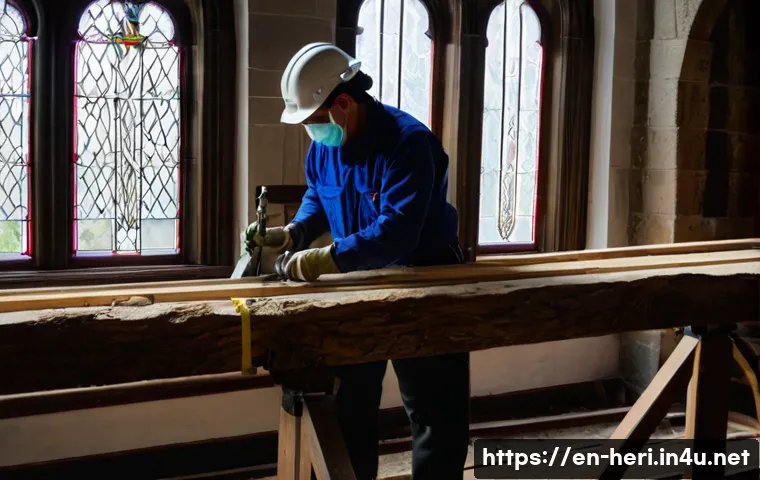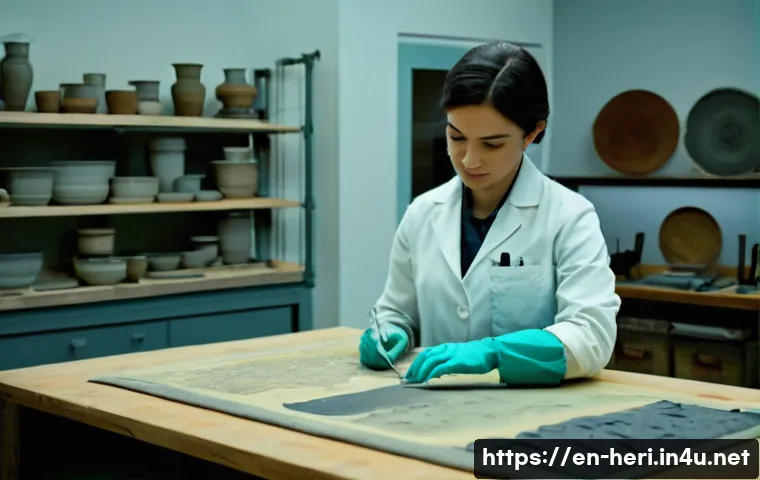
Mastering the art of managing your study schedule as a cultural heritage preservation technician is essential for success in this specialized field. Balancing hands-on skills with theoretical knowledge demands a strategic approach to learning.
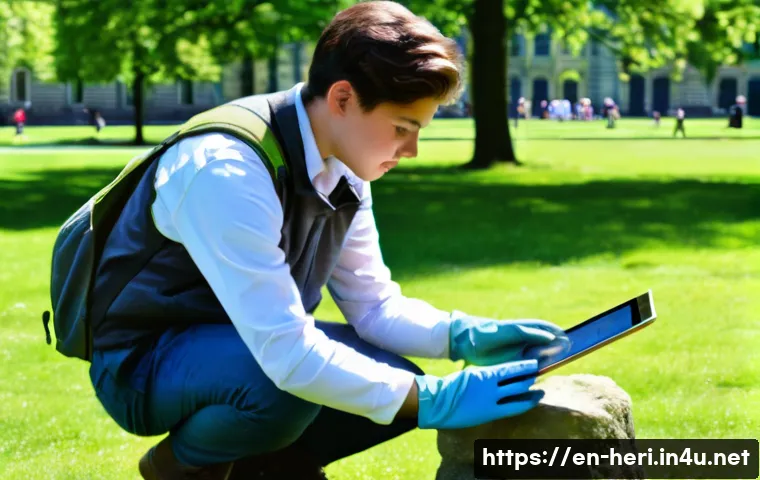
Without an effective plan, it’s easy to feel overwhelmed by the breadth of materials and practical tasks involved. From prioritizing key topics to setting realistic goals, the right schedule can boost both confidence and competence.
If you’re ready to transform your study routine and make steady progress, let’s dive into the details together. I’ll guide you through every step to ensure you get it right!
Crafting a Balanced Weekly Study Routine
Setting Clear Priorities for Each Study Session
When juggling both theoretical knowledge and hands-on techniques, it’s crucial to identify which topics demand your immediate attention. Early on, I found that breaking down large subjects into smaller, manageable chunks helped me avoid feeling swamped.
For example, dedicating mornings to core theory like material science and afternoons to practical restoration methods created a rhythm that kept me engaged.
Prioritizing based on upcoming deadlines or challenging areas ensures that no critical topic gets sidelined. It’s not about cramming everything but about focusing on what moves you forward the most each day.
Allocating Time Blocks for Practical Skills
Practice is non-negotiable in cultural heritage preservation. I carved out specific time blocks—usually two to three hours—solely for hands-on work, whether that was working with restoration tools or conducting site visits.
This focused approach allowed me to immerse myself fully without the distraction of theoretical study. Over time, I noticed my confidence in handling delicate artifacts improved significantly because I wasn’t rushing or multitasking.
Consistency beats intensity here; even short, frequent sessions yield better muscle memory and skill retention.
Incorporating Flexibility to Adapt to Real-Life Demands
No schedule survives contact with reality perfectly, especially in a field where unforeseen tasks or emergencies can arise. I always left buffer periods in my weekly plan to accommodate unexpected site assessments or urgent research.
This flexibility prevented burnout and kept stress levels manageable. Instead of rigidly sticking to a timetable, I learned to treat my schedule as a living document—one that evolves based on how much progress I’m making and what unexpected responsibilities come up.
Utilizing Digital Tools to Enhance Learning Efficiency
Choosing the Right Apps for Task Management
I experimented with several apps before settling on a task management tool that fit my style—something simple yet powerful enough to track deadlines, set reminders, and break projects into subtasks.
Using a digital planner meant I could quickly reorder priorities and visually track my progress. For example, seeing a checklist that shrinks daily was incredibly motivating.
The ability to sync across devices also meant I could review my schedule anywhere, whether at home or on-site.
Leveraging Online Resources for Supplementary Learning
Online platforms offer a treasure trove of tutorials, case studies, and virtual workshops, which I found invaluable for filling gaps between formal lessons.
I made it a habit to allocate time weekly for watching videos or reading up on new restoration techniques shared by experts worldwide. This approach broadened my perspective and introduced me to innovative materials and methods I wouldn’t have encountered otherwise.
Plus, it kept my study routine fresh and exciting, preventing monotony.
Setting Up Digital Reminders to Boost Consistency
One simple but effective strategy I adopted was setting up digital reminders for study sessions and deadlines. These nudges helped me stay accountable, especially on days when motivation dipped.
Pairing reminders with brief motivational quotes or notes about long-term goals gave me that extra push. It’s a small habit but makes a huge difference in maintaining momentum over months, which is essential for mastering such a multifaceted discipline.
Balancing Theory and Practice for Deeper Understanding
Integrating Hands-On Activities Right After Theory
I noticed that my retention skyrocketed when I immediately applied theoretical concepts through practical exercises. For example, after studying the chemical properties of restoration materials, I’d move on to mixing and testing those materials in the lab.
This immediate application solidified my understanding and revealed nuances that textbooks alone couldn’t convey. It’s like learning the recipe and then baking the cake right away—both steps are necessary to master the craft.
Using Case Studies to Connect Theory with Real-World Scenarios
Reading detailed case studies of restoration projects gave me insights into how theory translates into practice. I’d analyze the challenges faced, solutions implemented, and outcomes achieved, which helped me think critically about my own work.
Discussing these cases with peers or mentors also sparked lively debates that enriched my learning. This method goes beyond rote memorization; it encourages active problem-solving and contextual awareness.
Reflecting on Practical Sessions to Identify Improvement Areas
After each practical task, I made it a point to reflect on what went well and what could be improved. This self-assessment helped me pinpoint specific skills or knowledge gaps to focus on during subsequent study sessions.
Writing brief journal entries or recording short videos about my experiences created a feedback loop that accelerated my growth. It’s a habit I highly recommend because it transforms each practice session into a stepping stone rather than just a routine chore.
Maintaining Motivation Through Goal Setting and Rewards
Breaking Down Large Goals into Achievable Milestones
The path to becoming a skilled cultural heritage preservation technician can feel daunting without clear milestones. I broke down my ultimate certification goals into monthly and weekly targets, which made progress visible and manageable.
For example, mastering a specific restoration technique or completing a set of theory modules became mini-goals that kept me motivated. This approach transforms an overwhelming journey into a series of small wins, each building confidence.
Incorporating Personal Rewards to Celebrate Progress
I found that rewarding myself after hitting milestones was a powerful motivator. It didn’t have to be anything extravagant—sometimes a favorite coffee, a short break to watch a movie, or a walk in the park did the trick.

These small celebrations made studying feel less like a grind and more like a rewarding adventure. It’s a psychological boost that keeps enthusiasm alive, especially during intensive study periods.
Building a Support Network for Accountability
Having peers or mentors to share goals with added an extra layer of accountability. I joined online forums and local study groups where we exchanged progress updates and tips.
Knowing that others were rooting for me or expecting updates pushed me to stay on track. This social aspect also provided emotional support and practical advice, which is invaluable when facing tough challenges in this specialized field.
Organizing Study Materials for Maximum Efficiency
Creating a Systematic Filing Method
With so many resources—books, articles, manuals, and digital files—I quickly realized that a clear organization system was essential. I developed a color-coded folder system both physically and digitally, categorizing materials by topic and urgency.
This saved me countless hours searching for references and allowed me to focus more on studying. The key was consistency; spending a few minutes organizing each day prevented chaos from building up.
Utilizing Summaries and Mind Maps
To distill complex information, I started creating summaries and mind maps after each study session. This visual and concise format made review sessions faster and more effective.
When I revisited these summaries before exams or projects, it felt like revisiting a well-organized cheat sheet that boosted recall dramatically. Mind maps also helped me see connections between different concepts, which is vital in a multidisciplinary field like heritage preservation.
Regularly Updating and Purging Materials
I made it a habit to review my study materials monthly, discarding outdated notes or irrelevant content. This kept my study space uncluttered and my focus sharp.
It also helped me track my progress by seeing which topics I’d covered thoroughly and which needed more attention. A clean, organized study environment contributed to a clearer mind and better learning outcomes.
Tracking Progress and Adapting Your Study Plan
Keeping a Detailed Study Journal
Documenting daily or weekly study activities and reflections became one of my most effective tools. It allowed me to see patterns—when I was most productive, which topics took longer than expected, and what strategies worked best.
Over time, this journal served as both a motivator and a diagnostic tool, helping me tweak my schedule for optimal results. It’s a personalized map of your learning journey that no app can fully replicate.
Reviewing and Adjusting Goals Regularly
I set monthly review points where I’d evaluate progress against my goals and adjust timelines or priorities as needed. Life’s unpredictability means plans must be flexible, and this regular check-in ensured I stayed realistic while pushing myself.
Sometimes I had to slow down; other times, I could accelerate. This adaptability prevented frustration and kept my study routine sustainable.
Using Visual Progress Trackers
I created visual trackers like charts or progress bars to see how far I’d come. These visuals were surprisingly motivating because they made abstract progress tangible.
Whether it was the percentage of syllabus completed or hours spent practicing a skill, seeing growth encouraged me to keep going. I recommend combining this with goal setting and journaling for a comprehensive progress overview.
| Study Component | Suggested Time Allocation | Key Strategies | Tools/Resources |
|---|---|---|---|
| Theoretical Study | 40% | Prioritize core topics, use summaries and mind maps | Textbooks, online courses, note-taking apps |
| Practical Training | 35% | Scheduled hands-on sessions, immediate application of theory | Workshops, lab equipment, field visits |
| Review & Reflection | 15% | Journaling, self-assessment, peer discussions | Study journal, discussion groups, feedback sessions |
| Flex Time | 10% | Buffer for unexpected tasks and relaxation | Flexible scheduling apps, reminder tools |
In Conclusion
Creating a balanced weekly study routine is essential for mastering both theory and practical skills effectively. By setting clear priorities, incorporating flexibility, and using digital tools, you can maintain steady progress without feeling overwhelmed. Remember, consistency and reflection are key to deepening your understanding and keeping motivation alive throughout your learning journey.
Useful Tips to Keep in Mind
1. Break down large topics into smaller, manageable segments to avoid burnout and improve focus.
2. Dedicate regular, uninterrupted blocks of time for hands-on practice to build confidence and skill.
3. Use digital reminders and task management apps to stay organized and accountable.
4. Reflect on your practical experiences regularly to identify areas for improvement and reinforce learning.
5. Celebrate small wins with personal rewards and build a support network to maintain motivation.
Key Takeaways for Effective Study Planning
Developing a study routine that balances theory and practice while allowing room for flexibility is crucial for sustainable learning. Leveraging technology can streamline organization and accountability, while consistent reflection helps tailor your approach to what works best. Breaking goals into achievable milestones and maintaining motivation through rewards and peer support ensures steady progress and keeps the learning process enjoyable and productive.
Frequently Asked Questions (FAQ) 📖
Q: How can I effectively balance hands-on practice with theoretical study in cultural heritage preservation?
A: From my experience, the key is to create dedicated time blocks for each type of learning. For example, schedule mornings for reading and understanding theory, and afternoons for hands-on practice.
This way, your brain gets a clear signal about what to focus on, reducing overload. Also, try to connect theory directly to your practical work—it makes both more meaningful and easier to remember.
I found that reflecting on how a preservation technique relates to the historical context deepened my understanding and kept me motivated.
Q: What strategies can help me prioritize topics when studying for this field?
A: Prioritization can be tricky given the vast scope of cultural heritage preservation. What worked well for me was starting with the foundational topics that underpin many others, like materials science and conservation ethics.
Then, I gradually moved on to specialized areas such as restoration techniques for specific artifacts. Setting realistic goals, like mastering one topic a week, helped me stay on track without feeling overwhelmed.
Using a checklist to mark off completed subjects also gave me a satisfying sense of progress.
Q: How do I stay motivated and avoid burnout during intensive study periods?
A: Motivation often dips when you’re juggling theory and practical tasks, but I learned that small rewards make a big difference. Break your study time into manageable chunks and take short breaks to recharge—maybe a quick walk or a favorite snack.
Also, connecting with peers or mentors who share your passion can provide encouragement and fresh perspectives. Remember, it’s normal to feel challenged, but celebrating small wins keeps your confidence up and makes the journey enjoyable.