In today’s competitive job market, heritage restoration specialists face unique challenges when showcasing their skills to potential employers. With historic preservation gaining renewed attention and funding, now is the perfect time to craft a compelling career narrative that highlights both craftsmanship and passion.
Sharing your story effectively can open doors to exciting new opportunities in a field that blends art, history, and technical expertise. Whether you’re transitioning roles or seeking growth, understanding how to present your experience authentically makes all the difference.
Let’s explore how to create a standout narrative that truly captures your value and sets you apart.
Crafting a Narrative That Highlights Technical Mastery and Passion
Demonstrating Your Hands-On Expertise Through Specific Projects
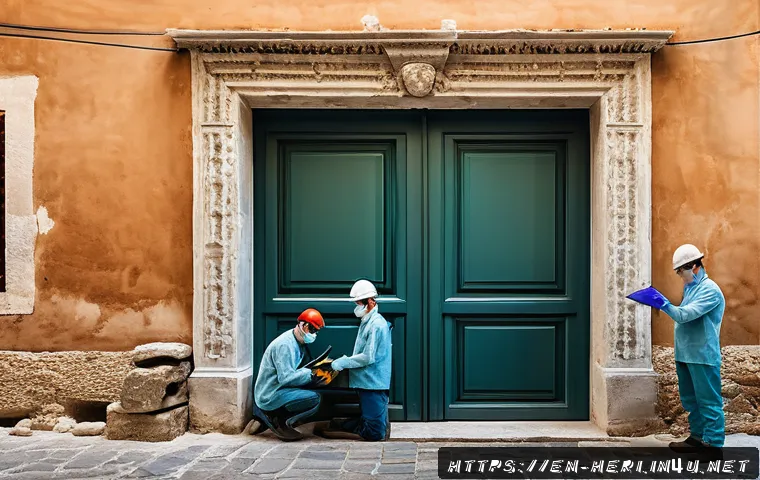
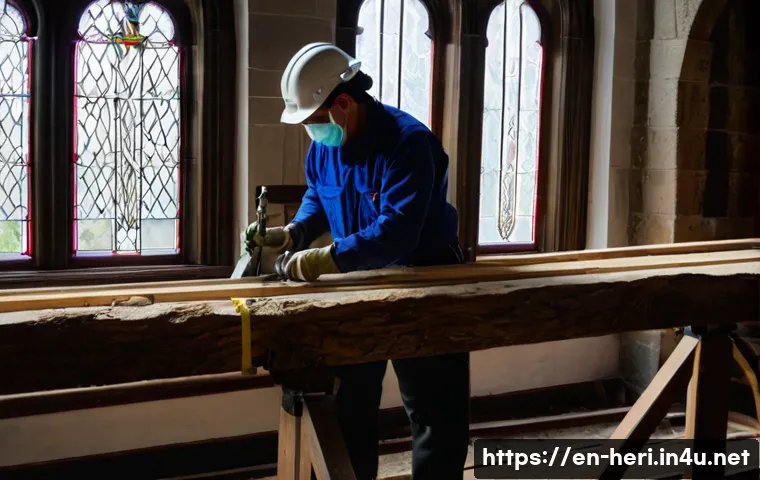
When you describe your experience, go beyond listing tasks—delve into the specific restoration projects that shaped your skills. For instance, instead of saying “worked on historic buildings,” share details about the materials you handled, techniques you mastered, or challenges you overcame.
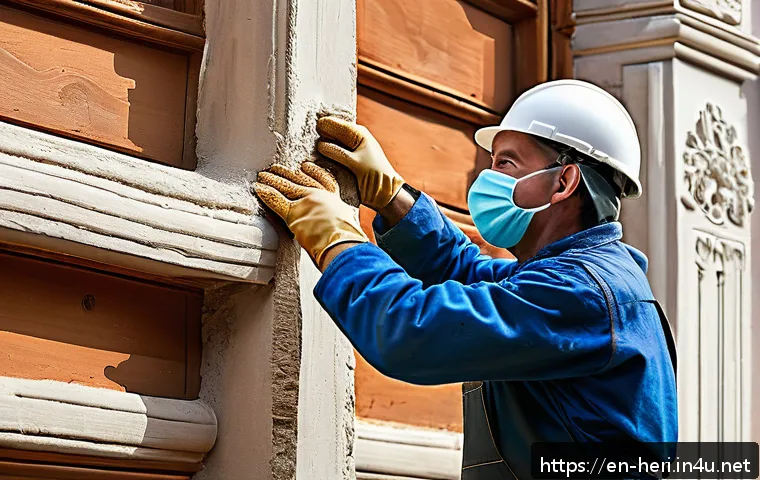
I once detailed a project involving the delicate restoration of a 19th-century façade where I adapted traditional lime plaster methods to modern safety standards.
This not only showed my craftsmanship but also my ability to innovate within preservation guidelines. Such vivid storytelling helps employers visualize your unique value.
Connecting Your Work to Broader Historical and Cultural Contexts
Employers in heritage restoration appreciate professionals who understand the significance behind their craft. Explaining why a particular building or artifact matters culturally or historically adds depth to your narrative.
I found that highlighting my research into the original architect’s intentions or the cultural symbolism embedded in a structure gave my applications a richer dimension.
It signals that you’re not just a technician but a steward of heritage, which resonates strongly in this field.
Expressing Passion Through Personal Motivation and Learning Journeys
Sharing what inspired you to enter heritage restoration or how you continually update your skills demonstrates genuine enthusiasm. For example, mentioning attendance at specialized workshops or participation in heritage conservation seminars paints a picture of someone committed to growth.
I once included a story about how volunteering at a local museum sparked my fascination with preservation, which helped humanize my profile and made it memorable to recruiters.
Emphasizing Transferable Skills That Boost Your Career Flexibility
Highlighting Problem-Solving Abilities in Complex Restoration Scenarios
Restoration projects often involve unexpected complications, from structural weaknesses to sourcing rare materials. Illustrating how you’ve navigated such challenges shows resilience and creativity.
I recall a situation where I had to devise a workaround to replicate a historic wood finish using eco-friendly materials, balancing authenticity with sustainability.
Sharing these problem-solving stories signals to employers that you can handle the unpredictable nature of restoration work.
Showcasing Collaboration and Communication in Multidisciplinary Teams
Heritage restoration rarely happens in isolation; it involves architects, historians, engineers, and clients. Detailing your role in coordinating with diverse professionals demonstrates teamwork and communication skills.
I’ve emphasized my experience facilitating discussions between craftsmen and architects to ensure design integrity, which highlighted my ability to bridge technical and creative perspectives—a critical asset in this sector.
Translating Craftsmanship Into Project Management and Leadership
If you’ve taken on supervisory roles or managed small teams, make sure to weave those experiences into your narrative. Leading a restoration crew or overseeing timelines reveals leadership potential and organizational skills.
When I transitioned into a project lead position, I described how I balanced hands-on work with coordinating schedules and budgets, which helped position me for senior roles.
Utilizing Visual and Digital Tools to Enhance Your Career Story
Creating a Portfolio That Captures the Nuance of Your Work
A strong portfolio can speak louder than words. Including high-quality photos, detailed descriptions, and before-and-after shots of your projects allows potential employers to appreciate your craftsmanship firsthand.
I personally curated a digital portfolio showcasing a range of projects, which became a conversation starter during interviews and boosted my credibility.
Leveraging Social Media and Professional Platforms to Build Visibility
Sharing your restoration journey on platforms like LinkedIn or Instagram can attract attention from peers and employers alike. Posting insights, progress updates, and lessons learned creates a narrative of ongoing engagement and expertise.
I found that consistent sharing of my work and reflections helped me connect with industry leaders and opened unexpected job opportunities.
Incorporating Testimonials and Endorsements for Added Credibility
Including quotes or recommendations from supervisors, clients, or colleagues adds trustworthiness to your profile. These endorsements serve as social proof of your skills and professionalism.
I always request brief testimonials after completing major projects, and integrating them into my portfolio and online profiles has strengthened my reputation.
Tailoring Your Story to Align With Employer Expectations and Industry Trends
Researching Employer Values and Project Focus Areas
Before applying, I invest time in understanding the specific heritage sites or restoration philosophies that matter to the employer. This allows me to tailor my narrative to highlight relevant experience.
For example, if a company prioritizes sustainability, I emphasize my work with eco-conscious materials. This targeted approach shows that you’re not just sending a generic story but one that fits their mission.
Adapting Language to Balance Technical Detail and Accessibility
Striking the right tone is crucial. While technical jargon demonstrates expertise, overly dense language can alienate non-specialist hiring managers. I aim to explain complex restoration processes clearly and engagingly, making my skills accessible without losing nuance.
This balance helps keep readers invested in your story.
Staying Current With Preservation Innovations and Policy Changes
The heritage field evolves with new materials, techniques, and regulations. Showcasing your awareness of these developments signals professionalism and adaptability.
I regularly mention recent certifications or workshops I’ve completed on emerging restoration technologies, which reassures employers that I’m ready for the future of the industry.
Presenting Your Career Achievements in a Structured and Impactful Way
Using Quantifiable Metrics to Demonstrate Success
Where possible, I include numbers to back up my impact—such as the number of projects completed, size of structures restored, or budget managed. This concreteness helps employers grasp the scale of your accomplishments.
For example, “Led the restoration of 15 historic homes over three years, improving structural integrity and aesthetic authenticity” paints a vivid picture of capability.
Organizing Experience Chronologically With Thematic Highlights
I find it effective to present my work history in a timeline but group key achievements by theme—like structural restoration, decorative arts, or project leadership.
This method helps readers quickly identify areas of expertise without losing the narrative flow. It also allows you to emphasize skills aligned with the job you’re targeting.
Balancing Humility With Confidence in Your Writing
While it’s important to showcase your achievements, sounding boastful can turn readers off. I try to convey confidence through factual descriptions and positive outcomes, letting the evidence speak for itself.
Phrases like “I was fortunate to contribute to…” or “This experience deepened my understanding of…” create a humble yet assured tone that resonates well.
Leveraging Industry Certifications and Continuous Education
Highlighting Relevant Qualifications That Enhance Credibility
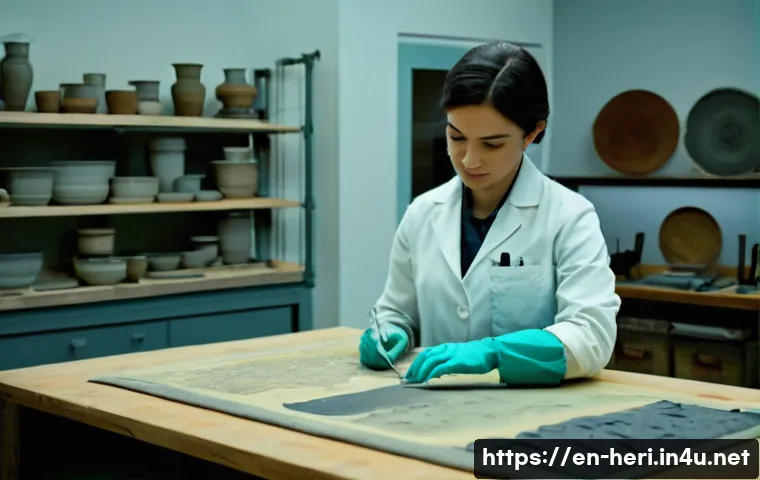
Certifications in conservation techniques, historic building codes, or safety standards add weight to your profile. I always list these prominently and explain how they apply to my daily work.
For example, having a certification in lead-safe work practices demonstrates both technical know-how and commitment to compliance.
Demonstrating Commitment to Lifelong Learning
Employers value candidates who keep pace with evolving standards and innovations. I share examples of workshops, online courses, or conferences I’ve attended recently.
This shows that you’re proactive about professional growth, which is crucial in a field where best practices continuously develop.
Connecting Education to Practical Outcomes
It’s not enough to mention courses—tying them to tangible improvements in your work is key. For instance, after completing a course on stone masonry techniques, I incorporated new restoration methods that reduced project time while preserving authenticity.
Sharing such outcomes reinforces the practical benefits of your education.
Balancing Personal Values With Professional Objectives in Your Story
Communicating Your Commitment to Preservation Ethics
Many employers want to know that you share their respect for cultural heritage and ethical restoration. I include reflections on why preserving history matters to me personally, which helps create an emotional connection.
For example, explaining how preserving a community landmark helped maintain local identity adds a human element to your profile.
Aligning Your Career Goals With Industry Needs
I’ve found that expressing clear ambitions—whether it’s mastering new techniques, leading larger projects, or contributing to sustainability—signals focus and motivation.
This alignment reassures employers that your growth will benefit their organization as well.
Incorporating Stories That Illustrate Your Work-Life Integration
Sharing how you balance the demands of restoration work with personal interests or community involvement can make your narrative more relatable. For instance, volunteering at heritage festivals or teaching traditional crafts shows well-roundedness and passion beyond the workplace.
| Key Elements | What to Include | Why It Matters |
|---|---|---|
| Specific Project Details | Materials used, techniques, challenges overcome | Demonstrates hands-on expertise and problem-solving |
| Cultural and Historical Context | Significance of sites, research into heritage | Shows depth of understanding and stewardship |
| Transferable Skills | Teamwork, leadership, communication | Highlights versatility and collaboration |
| Visual Portfolio | Before-and-after photos, detailed descriptions | Provides tangible proof of craftsmanship |
| Certifications & Education | Relevant qualifications, courses, workshops | Reinforces credibility and commitment to growth |
| Personal Motivation | Passion stories, volunteer work, personal goals | Creates emotional connection and authenticity |
Closing Thoughts
Crafting a compelling narrative that highlights both your technical skills and genuine passion is key to standing out in heritage restoration. By sharing detailed experiences, connecting with cultural significance, and demonstrating ongoing growth, you build a story that resonates deeply with employers. Remember, your unique journey and dedication are what truly set you apart in this specialized field.
Helpful Information to Keep in Mind
1. Focus on specific projects to showcase your hands-on expertise and problem-solving abilities.
2. Connect your work to its cultural and historical importance to demonstrate deeper understanding.
3. Highlight transferable skills like teamwork, leadership, and communication for career flexibility.
4. Use a well-curated visual portfolio and digital presence to enhance credibility and visibility.
5. Continuously update your qualifications and share personal motivations to show commitment and authenticity.
Key Takeaways
Present your restoration experience with rich detail and clear examples to engage employers effectively. Balance technical language with accessibility to ensure your story is both impressive and relatable. Leverage certifications and ongoing education to reinforce your professionalism, and weave in personal passion to create an emotional connection. Ultimately, tailoring your narrative to align with employer values and industry trends will maximize your impact and open doors to new opportunities.
Frequently Asked Questions (FAQ) 📖
Q: How can I effectively showcase my craftsmanship and passion in heritage restoration on my resume and portfolio?
A: Highlighting craftsmanship and passion means going beyond listing job duties. Include detailed descriptions of specific restoration projects you’ve worked on, emphasizing the techniques you used and the challenges you overcame.
Use before-and-after photos in your portfolio to visually demonstrate your skills. Share personal stories that reveal your dedication—such as moments when you chose traditional methods over shortcuts to preserve authenticity.
Employers appreciate candidates who convey not just technical ability but also a genuine love for preserving history.
Q: What’s the best way to tailor my career narrative when applying for different roles within the historic preservation field?
A: Start by researching the specific requirements and culture of each employer. For roles focused on technical skills, emphasize certifications, hands-on restoration experience, and knowledge of materials and conservation techniques.
For positions leaning toward project management or advocacy, highlight your leadership, communication skills, and passion for heritage education. Adjust your story to align with the employer’s mission, showing how your unique background complements their goals.
This approach makes your application feel personalized and relevant.
Q: How can I demonstrate authenticity and build trust with potential employers during interviews for heritage restoration jobs?
A: Authenticity shines through when you speak from real experience and passion. Share concrete examples of projects where you faced unexpected challenges and how you resolved them.
Talk about why heritage preservation matters to you personally—maybe a memorable site or mentor that inspired you. Be honest about your learning curve and growth areas, showing humility and eagerness to improve.
Employers value candidates who are not only skilled but also sincere and committed to the craft’s deeper purpose.